Daricheh Cinema · Pitch Deck · Early 1960s Australian Version
THESNAKEROAD
Objects remember what people hide.
Grief, desire, and the traces left behind by one irreversible night.
A film by Armin Miladi · Written by Amir Naderi · Produced by Daricheh Cinema, SEEB Studio & 3rix
The film
Psychological road drama / erotic haunting / period Australian mystery
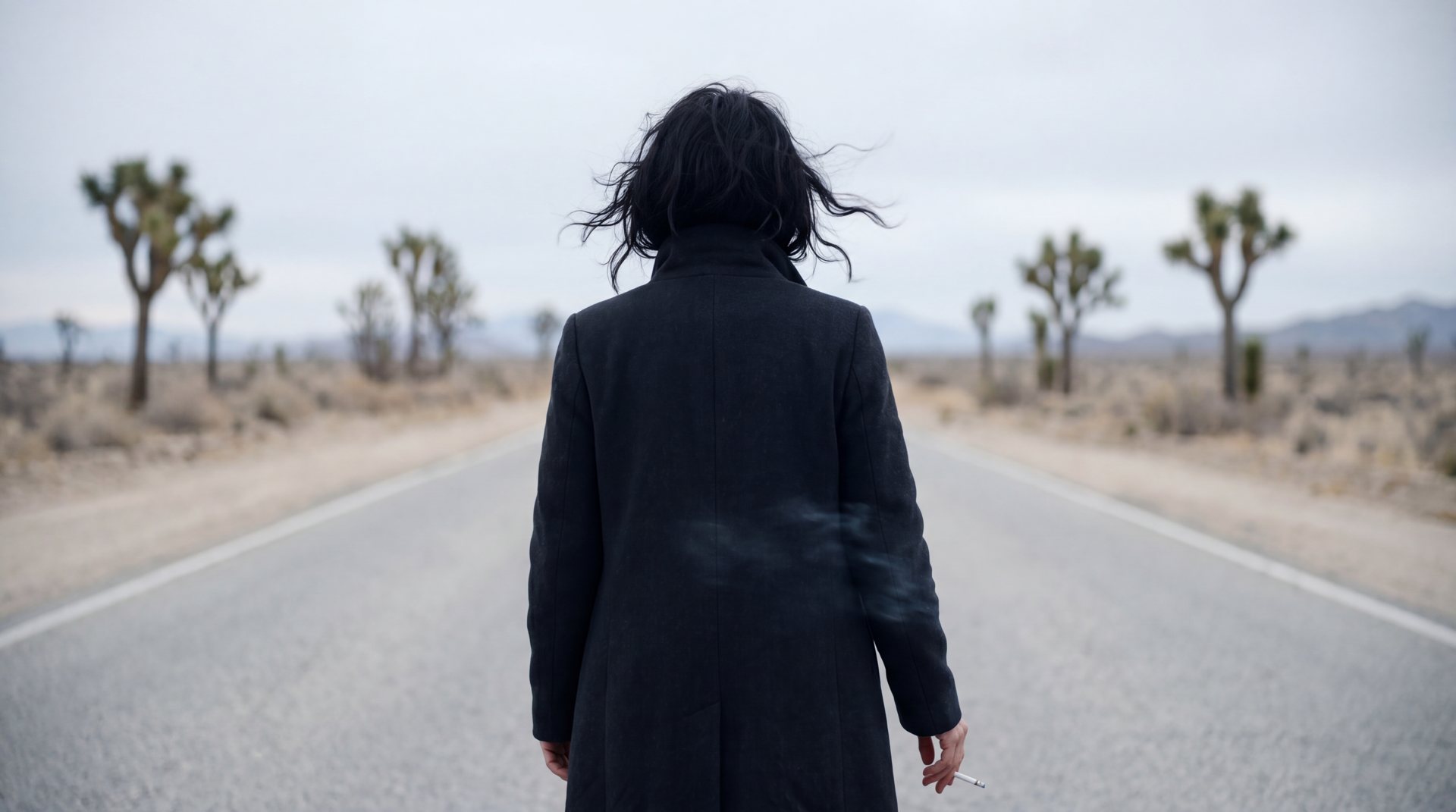
The Snake Road is a female-led psychological drama set in early 1960s Australia, where grief, desire, secrecy and memory converge inside a remote desert motel room. The film blends the emotional precision of an arthouse grief drama with the tension of a slow-burn mystery and the charged atmosphere of an erotic haunting. It is not a conventional thriller. The suspense comes from objects, silence, landscape, and the unbearable question Julie cannot ask her dead husband.
Logline
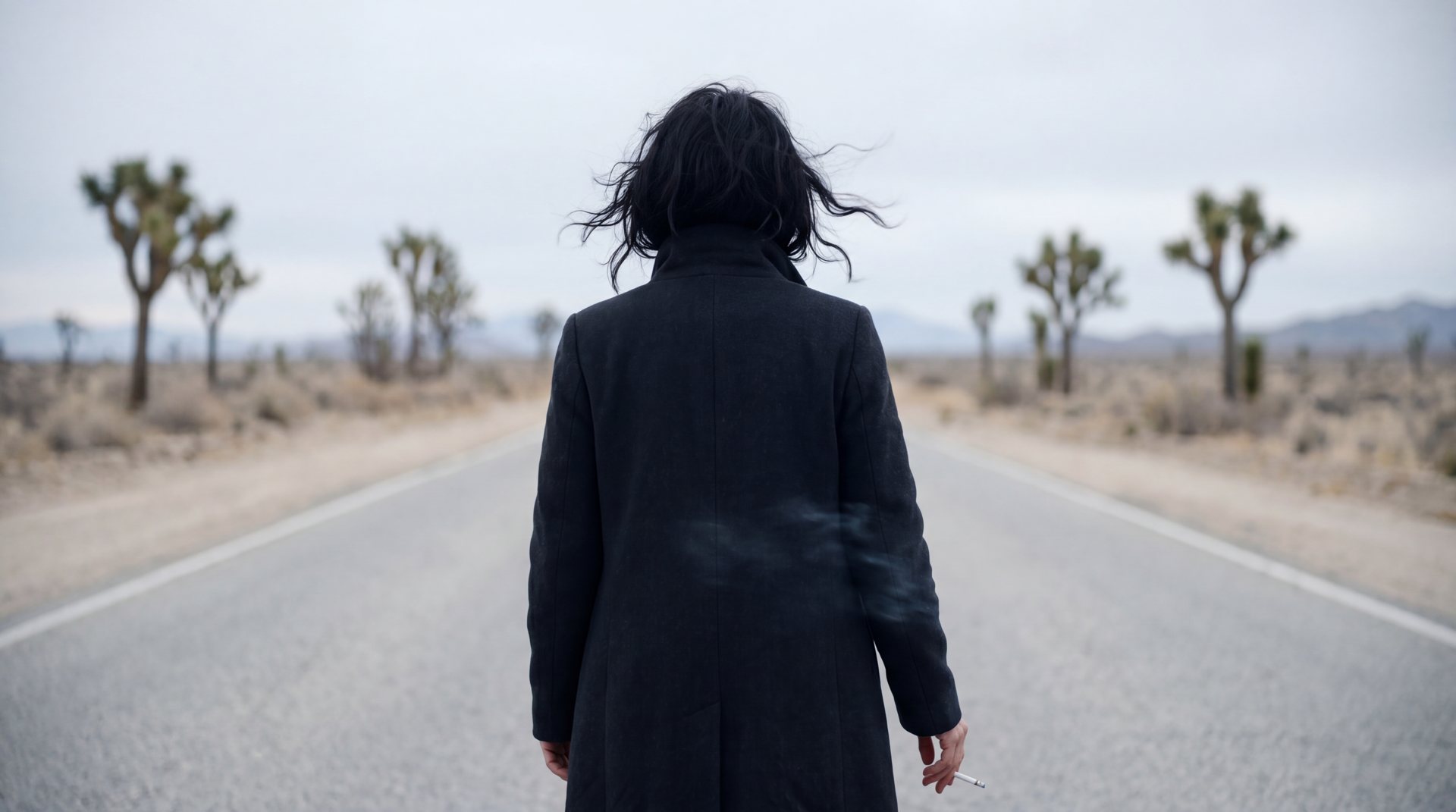
In early 1960s Australia, a Brisbane wife follows a woman's green glove and a handwritten note to the desert motel room where her dead husband spent his final night.
Synopsis
Brisbane, early 1960s. Julie, a wife and mother, is woken before dawn by a phone call: her husband Paul has died in a road accident near a remote inland town. At the morgue, among his suitcase and papers, she finds something that does not belong, a woman's green glove. Hidden inside is a handwritten note from Chenli, a woman Julie has never heard of, referring to a missing earring left behind in the motel room where Paul spent his final night.
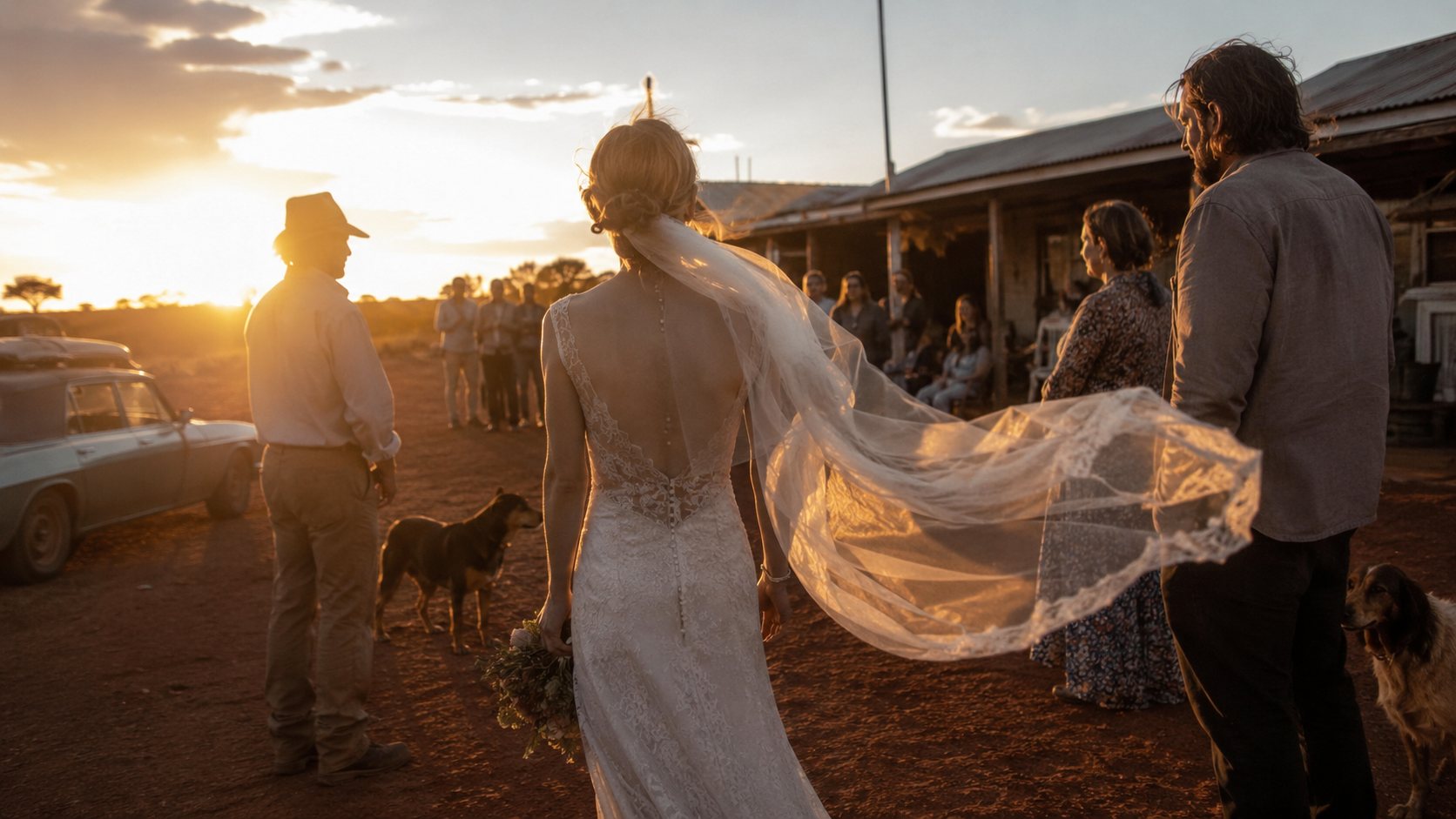
Unable to return home with only fragments, Julie follows the road into the Australian interior and checks into Room 208. As she searches for Chenli's earring, the room becomes a chamber of grief, jealousy and imagination. A lonely Writer nearby becomes her witness and temptation, while Paul's final night with Chenli unfolds in a heightened world of red light, jade, smoke and desire. Paul lost himself for one night and died on the road back. Julie reaches the same emotional edge, but chooses to leave.
Director’s statement
Armin Miladi
The Snake Road is a film about grief, betrayal, and the violence of not knowing. What draws me to this story is not the affair itself, but what remains after it: the objects, the silence, the room, and the woman left behind to make meaning from fragments. Julie loses her husband to death, then loses the version of him she believed she knew. That second loss is quieter, but more devastating. There is no confession, no argument, no apology and no repair. Only traces. Setting the film in early 1960s Australia gives the story a stronger emotional and cinematic force. This is a world before digital evidence, where a wife cannot search a phone or track a message. She has to follow the road, hold the glove, read the note, enter the room, and confront the truth through physical objects.
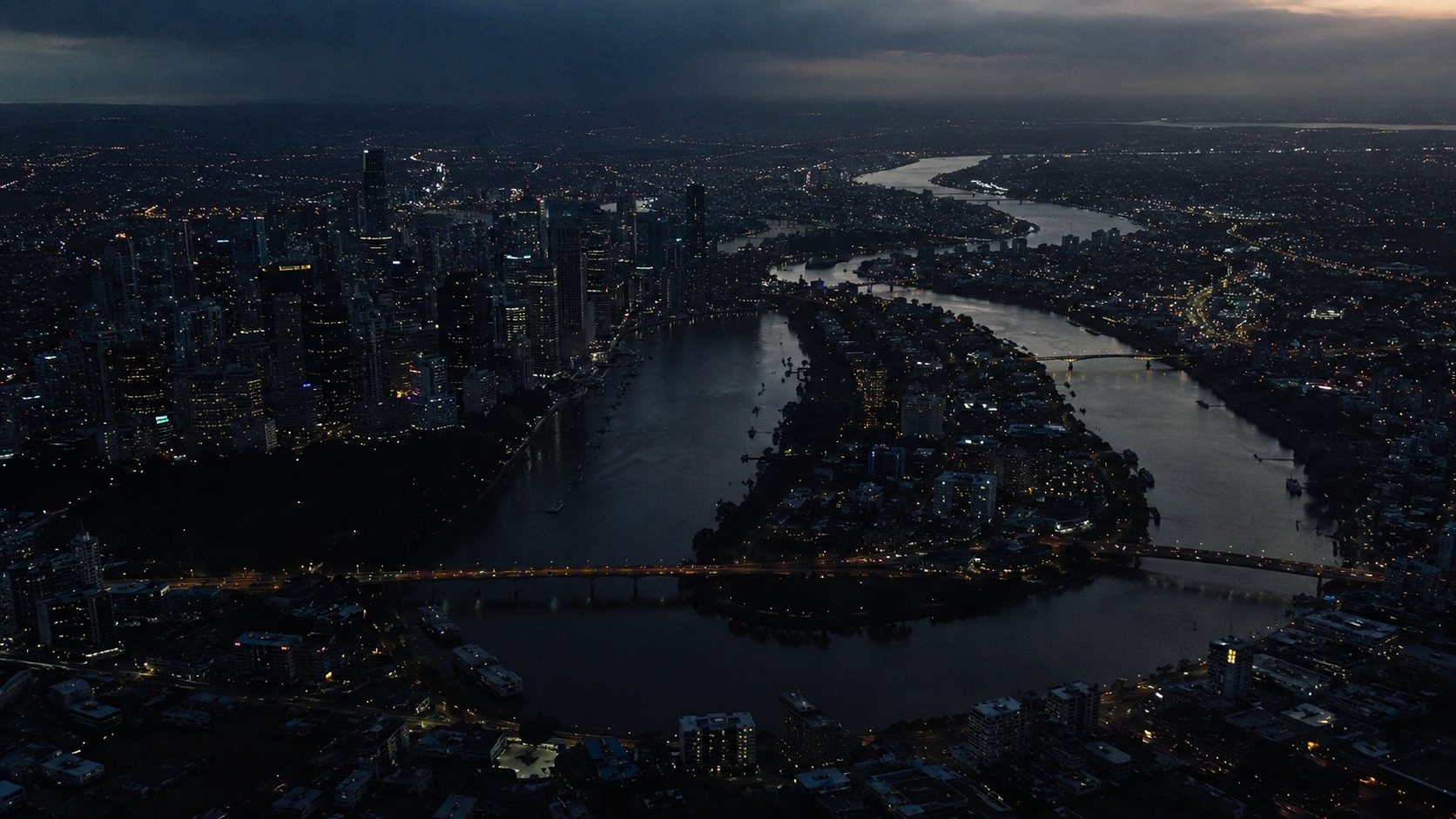
The landscape is central to the film. Brisbane, the river, the inland road, the motel, the wind and the dry open space all become part of Julie's inner state. The story is contained, but emotionally vast. For me, The Snake Road is about the moment a woman stops reaching into the dark for something that can no longer be recovered. It is not revenge. It is not forgiveness. It is release.

Director & Producer
Armin Miladi
Armin Miladi is an award-winning Iranian-Australian filmmaker. After earning a Bachelor of Science and Engineering from Tehran University, he developed a passion for cinema and began writing as a film critic for major publications in Iran. In 2008, he graduated from the Australian Film, Television and Radio School (AFTRS) with a focus on writing and directing. Since then, Armin has directed several short films and documentaries, receiving international recognition and awards.
In 2010, he co-founded the Iranian Film Festival Australia (IFFA), now in its 12th year. In 2015, he established Daricheh Cinema, a pioneering distribution company for Iranian cinema in North America and Australia. Daricheh has become a global leader in both commercial and arthouse Iranian film distribution, reaching not only the diaspora but international cinephiles eager to experience Iranian cinema on the big screen year-round.
Since 2016, Armin has hosted the annual IFFA Awards Night at the Australian Embassy Garden in Tehran, an event that has garnered significant attention from the Iranian film industry and media. In 2018 and 2022, he served as Artistic Director for the 1st and 2nd Australian Film Week in Tehran, presented in collaboration with the Australian Embassy. In 2018, he launched the Iranian Film Festival New York, now held annually at the IFC Center, which has completed its third edition and is becoming a prominent cultural event in one of the world’s most influential cities for cinema.
Armin’s belief in promoting tolerance through cultural exchange has driven his commitment to these festivals and events. In 2023, Miladi produced the short film Jugi, shot entirely in northern Iran. He is currently developing several feature film projects, some as writer/director and others as producer, further expanding his commitment to bold, internationally resonant storytelling.
Writer & Executive Producer
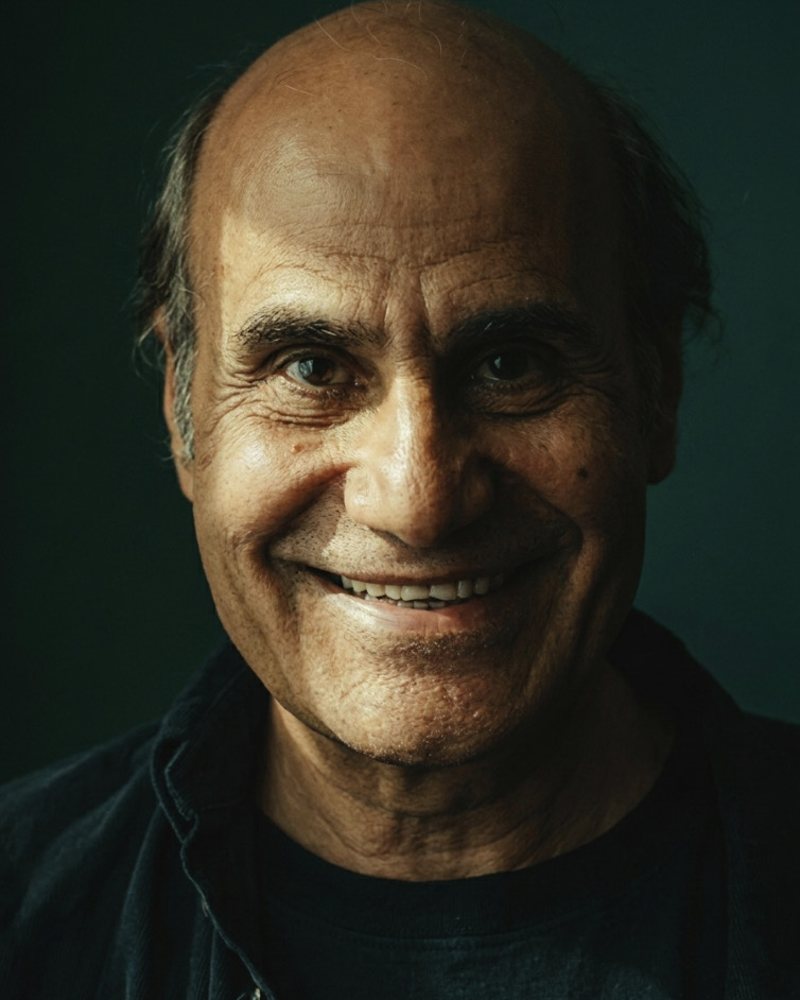
Amir Naderi
Amir Naderi emerged as a defining voice in the Iranian New Wave, a movement that transformed the landscape of Iranian cinema. His raw, street-level portrayals of ordinary lives, marked by realism, resilience, and emotional depth, introduced a new cinematic language that continues to influence filmmakers today. Alongside his narrative films, Naderi’s early documentaries revealed his remarkable versatility and deep observational sensitivity. By the early 1980s, his seminal works such as The Runner, Water, Wind, Dust, and Harmonica not only elevated Iranian cinema on the world stage, but also established him as one of its most innovative auteurs.
In the 1990s, Naderi relocated to the United States to continue his path as an independent filmmaker. He has since achieved the rare feat of directing eight feature films outside of Iran, in the original languages of the U.S., Japan, and Italy. His work has been celebrated in major retrospectives around the world, including at the Film Society of Lincoln Center and the Museum of Modern Art (New York), the Centre Pompidou (Paris), the National Museum of Cinema (Turin), and the Busan International Film Festival. In 2016, he was honored with the prestigious Jaeger-LeCoultre Glory to the Filmmaker Award at the Venice Film Festival, placing him among the ranks of world cinema’s most celebrated auteurs, including Paul Thomas Anderson, Ridley Scott, and Zhang Yimou. His singular voice, relentless innovation, and unwavering dedication to cinema have made him one of the most enduring and respected figures in global auteur filmmaking.
Tone & themes
The tone of The Snake Road is restrained, atmospheric, sensual and psychologically charged. The film should feel like a period grief drama slowly becoming an erotic haunting. Its suspense does not come from conventional thriller mechanics. It comes from Julie's need to know, the room's refusal to answer, and the pressure of objects that seem to remember more than people can say. The early 1960s setting gives the film a tactile, analogue quality: rotary phones, handwritten notes, motel registers, typewriters, cigarettes, old cars, paper receipts, suitcases, keys, fabrics, mirrors and rooms without digital traces.
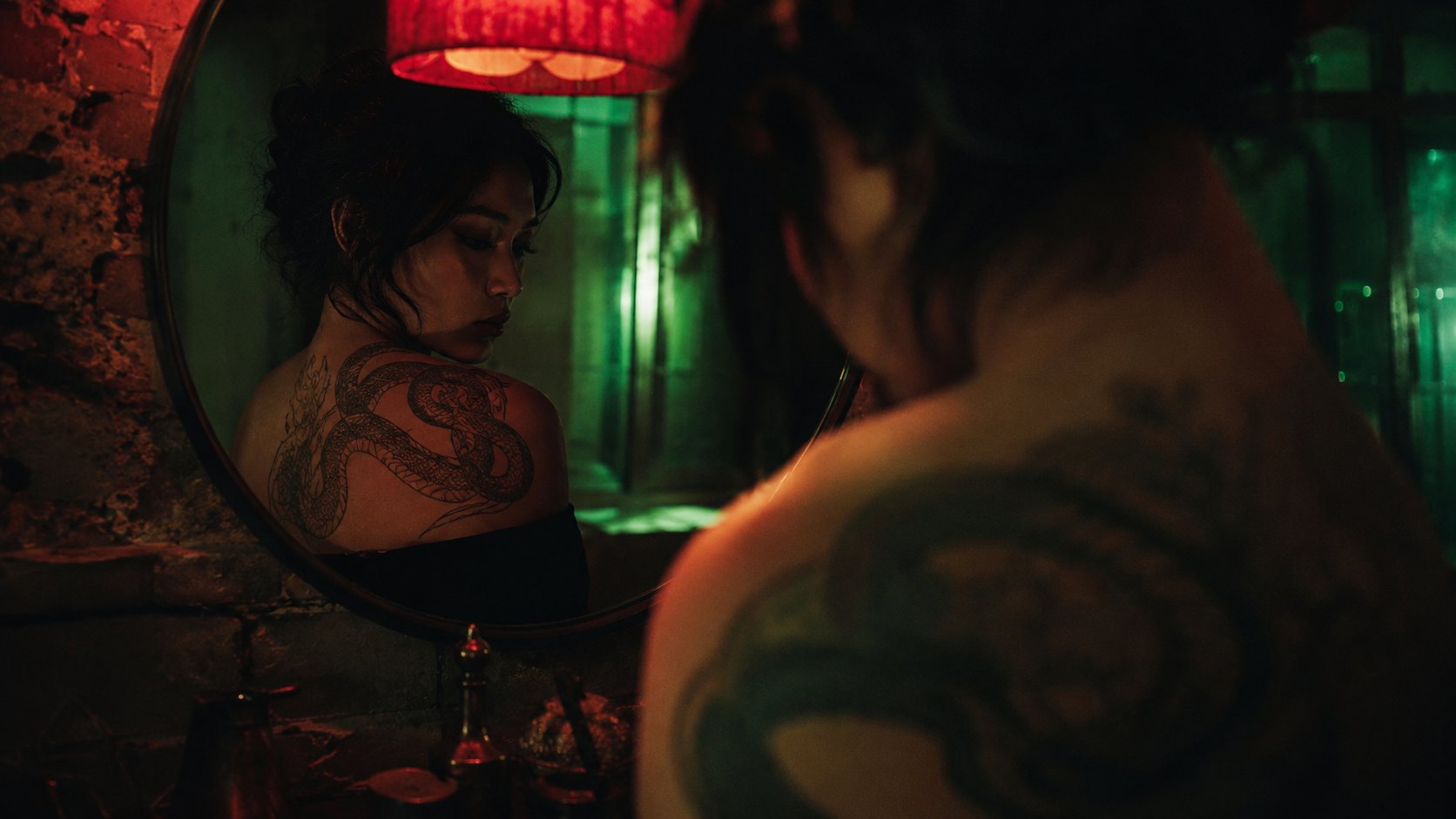
Julie's world should feel pale, dry and observational. It carries the restraint of the period: marriage, silence, domestic expectation and emotional self-control. Chenli's world should feel warmer and more heightened: red, jade green, amber light, mirrors, smoke, old music and the large snake tattoo. This world can feel dreamlike, but not fully supernatural. The film lives between realism and myth. Nothing impossible has to happen, but everything should feel charged by the possibility that desire has left a trace.
- 01Grief after betrayalJulie mourns a husband who can no longer answer for what he did.
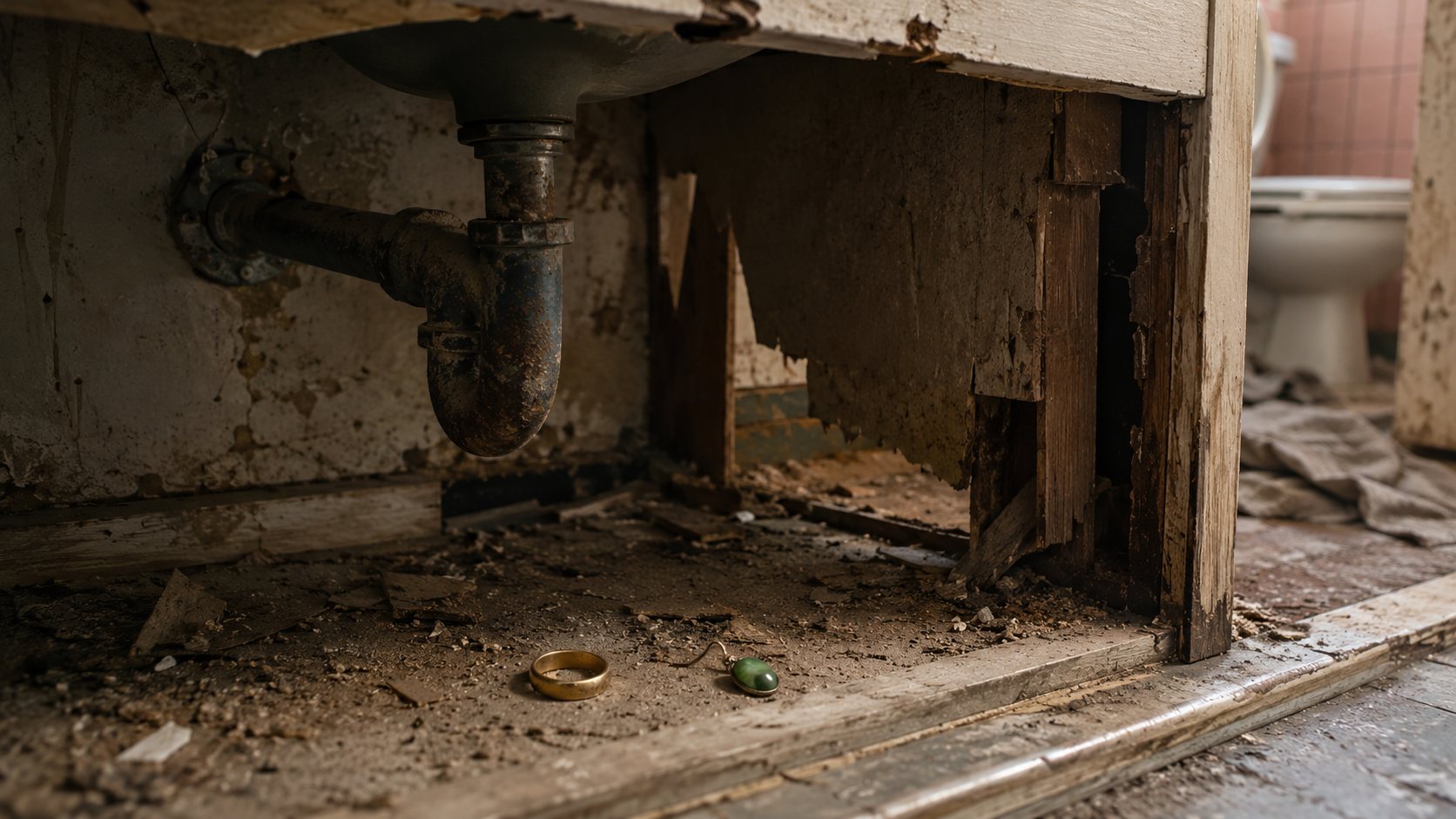
- 02Objects as witnessesIn the absence of digital evidence, objects carry the truth: the glove, the note, the motel key, the earring, the ring, the suitcase and the room.
- 03Marriage and silenceThe early 1960s setting places marriage inside a stronger structure of social expectation. Julie's pain is private, but the institution around it is public.
- 04Desire as a roadPaul follows desire into a place from which he cannot return. Julie reaches a similar edge and chooses differently.
- 05Female grief and self-respectJulie's journey is not about punishing another woman or proving loyalty to a dead man. It is about facing the truth without allowing that truth to destroy her.
- 06The unknowability of the deadPaul's death freezes the betrayal in place. Julie can only reconstruct his final night through fragments.
- 07Landscape as psychologyThe Australian interior reflects Julie's inner exposure. The farther she travels from Brisbane, the more stripped back her world becomes.
- 08The snake motifThe snake represents danger, seduction, circular thought, hidden knowledge and the road itself. It should remain suggestive, not over-explained.
Objects as witnesses
In a world without phones, messages or digital records, the physical things become everything. The glove, the note, the receipt, the key, the room.


Visual reference
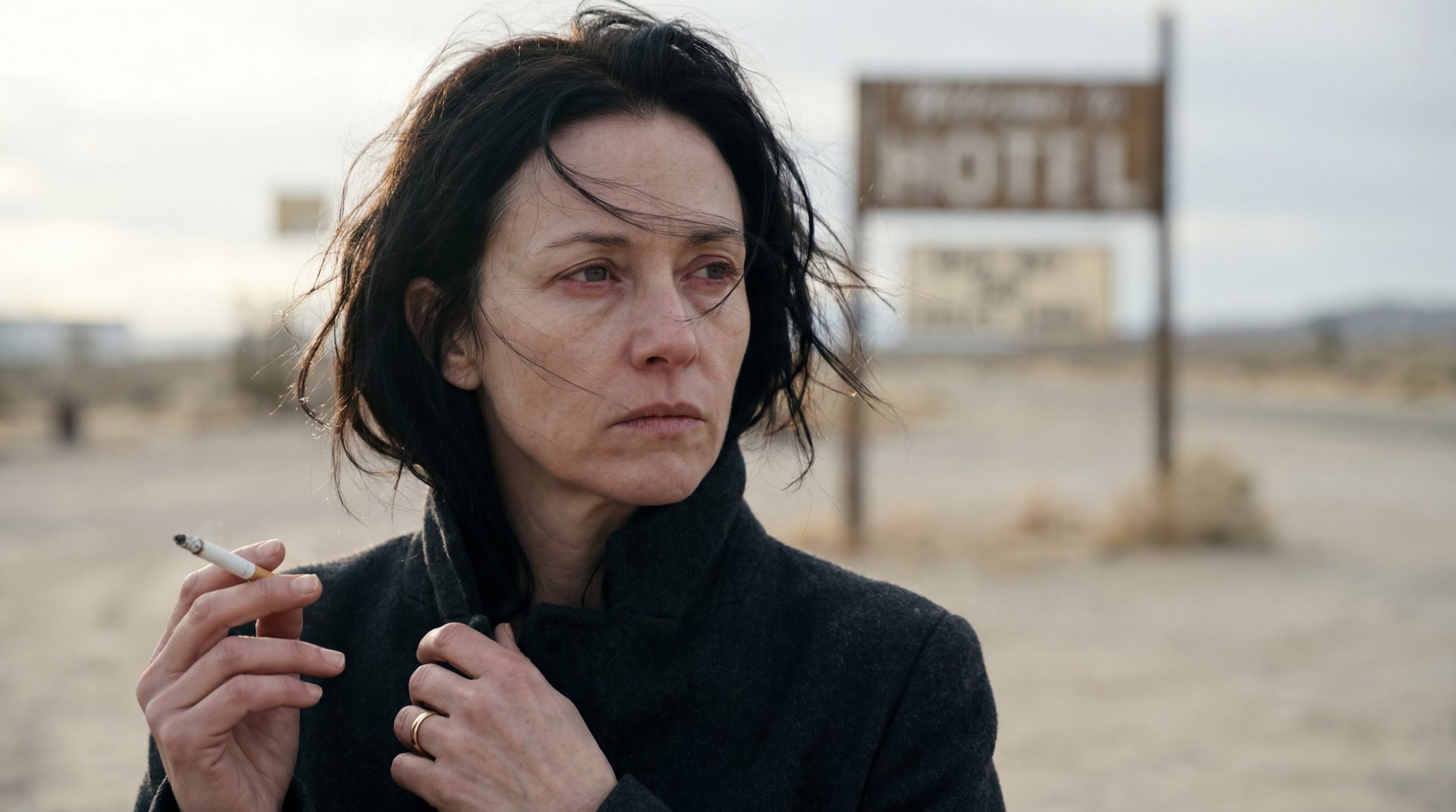
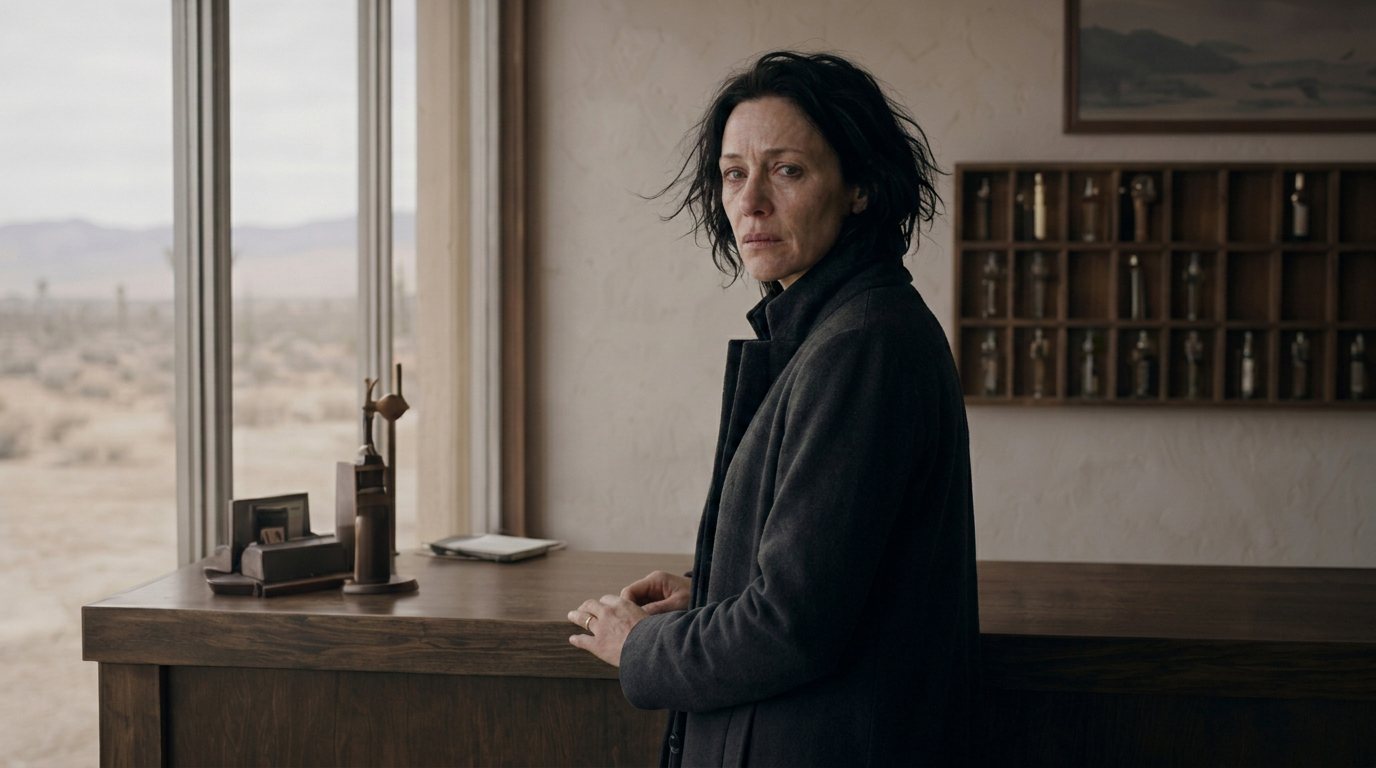
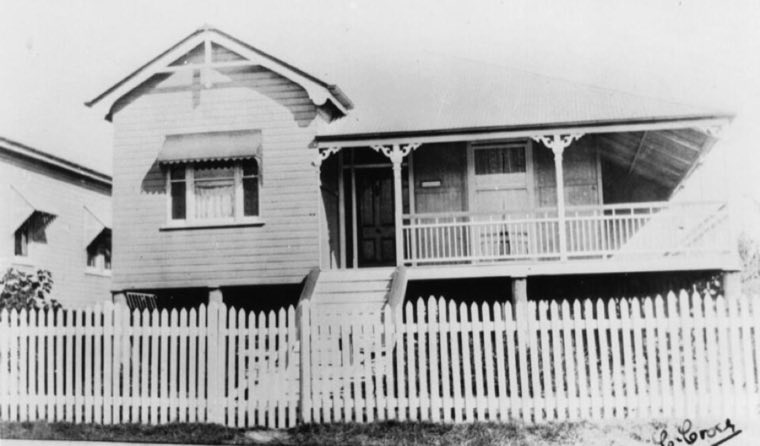
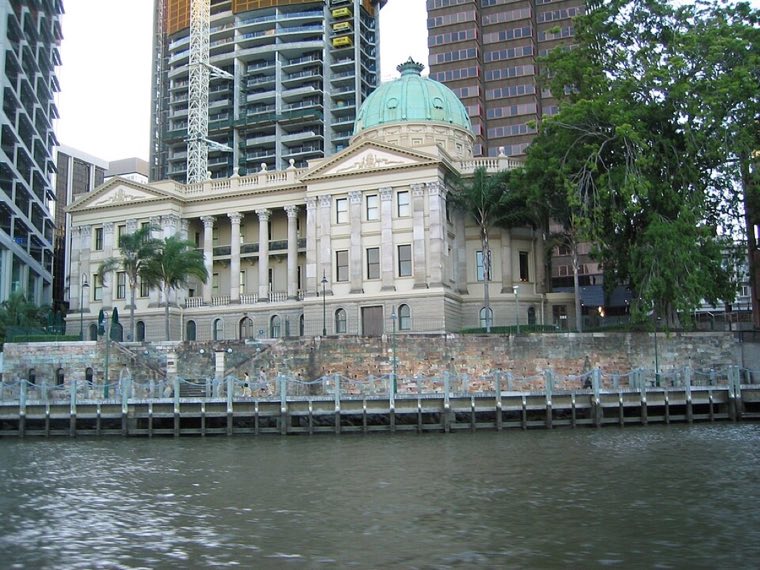
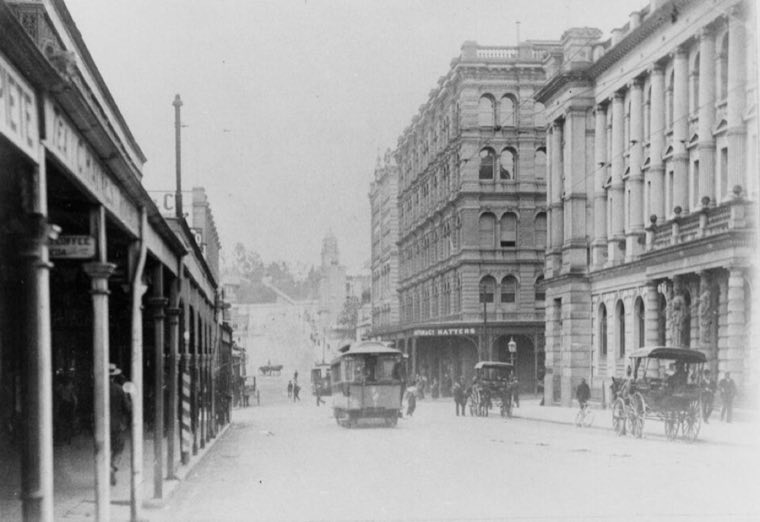
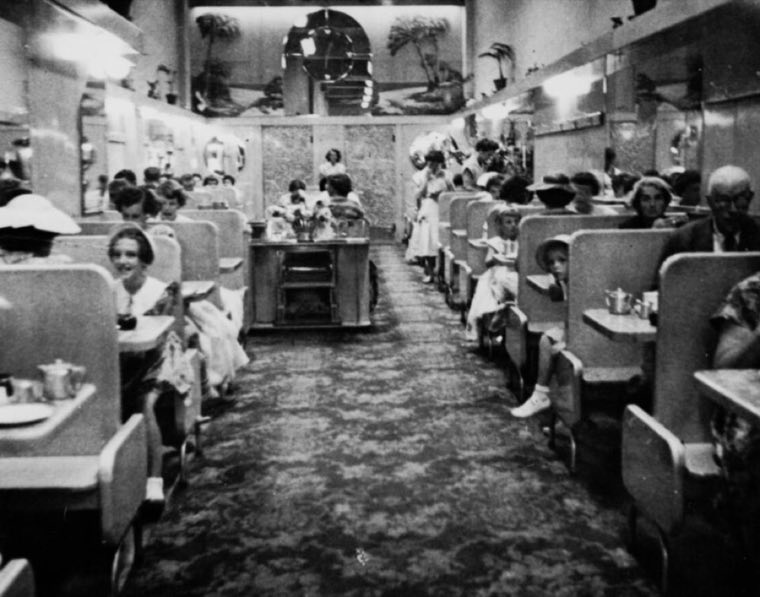
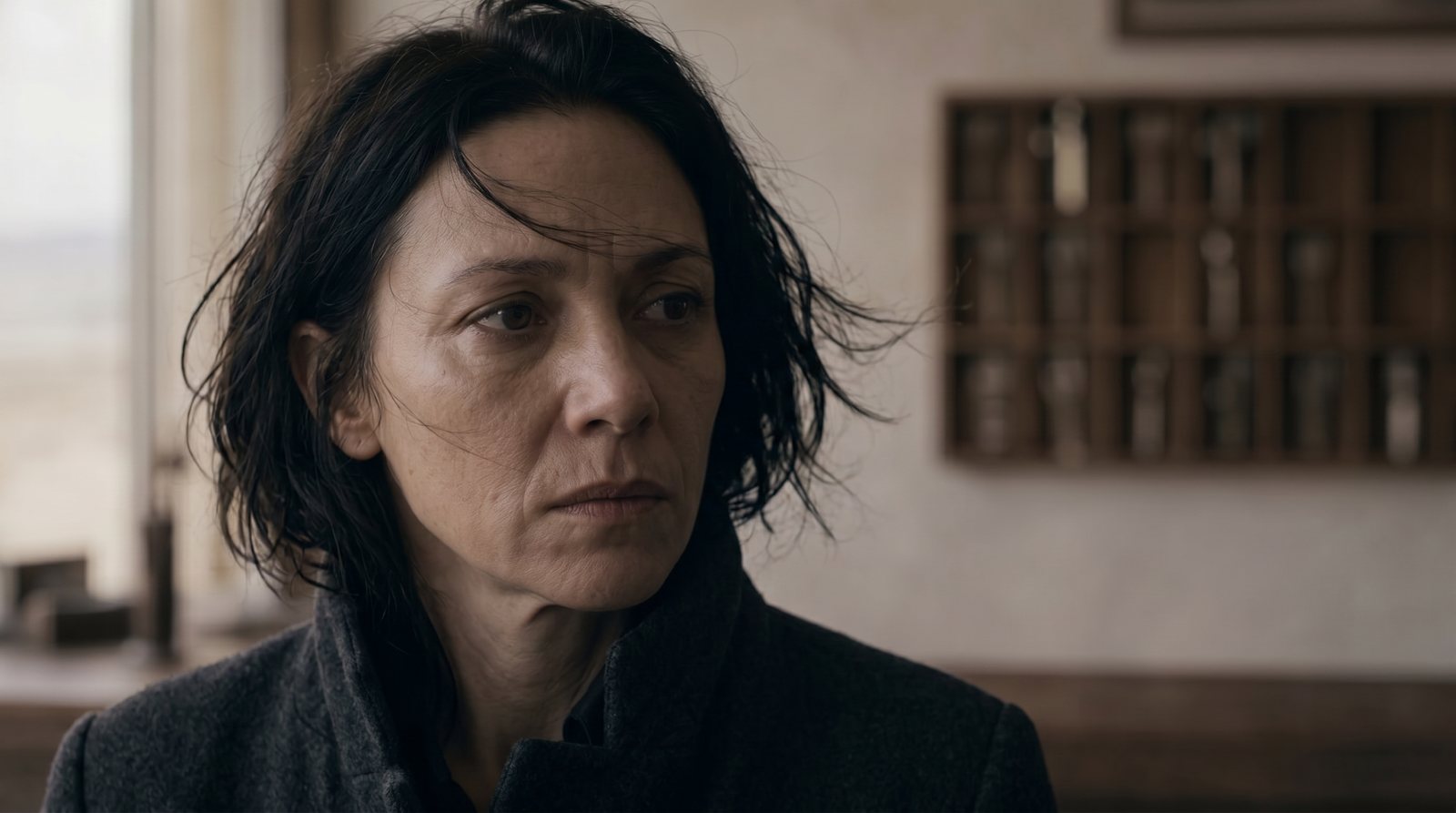
The visual world is built on contrast, Julie’s pale, restrained present against Chenli’s red, heightened world of desire.
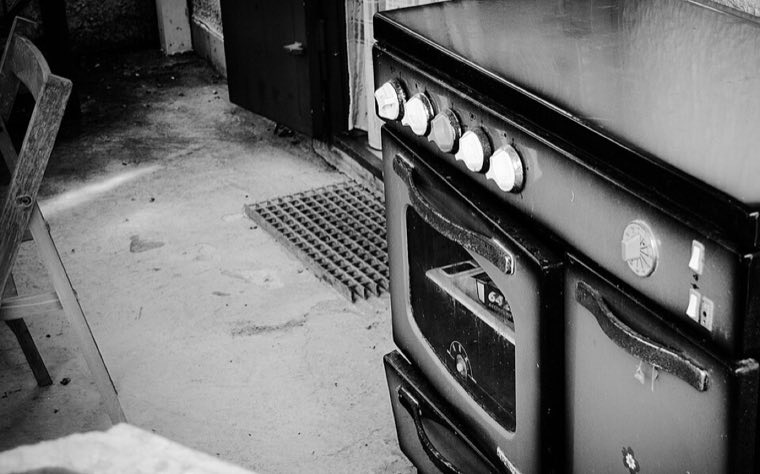
Julie's world
Early 1960s Brisbane and the inland road: domestic, restrained, dry and controlled. The Brisbane River's winding form suggests the first snake image. Emotionally exposed, not nostalgic.
Chenli's world
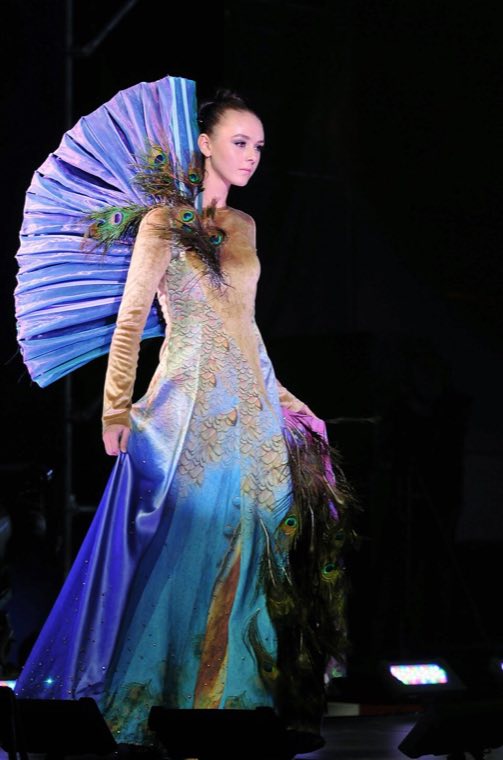
Red, jade, shadowed and heightened. More mythic than Julie's, while staying grounded enough to avoid cliché.
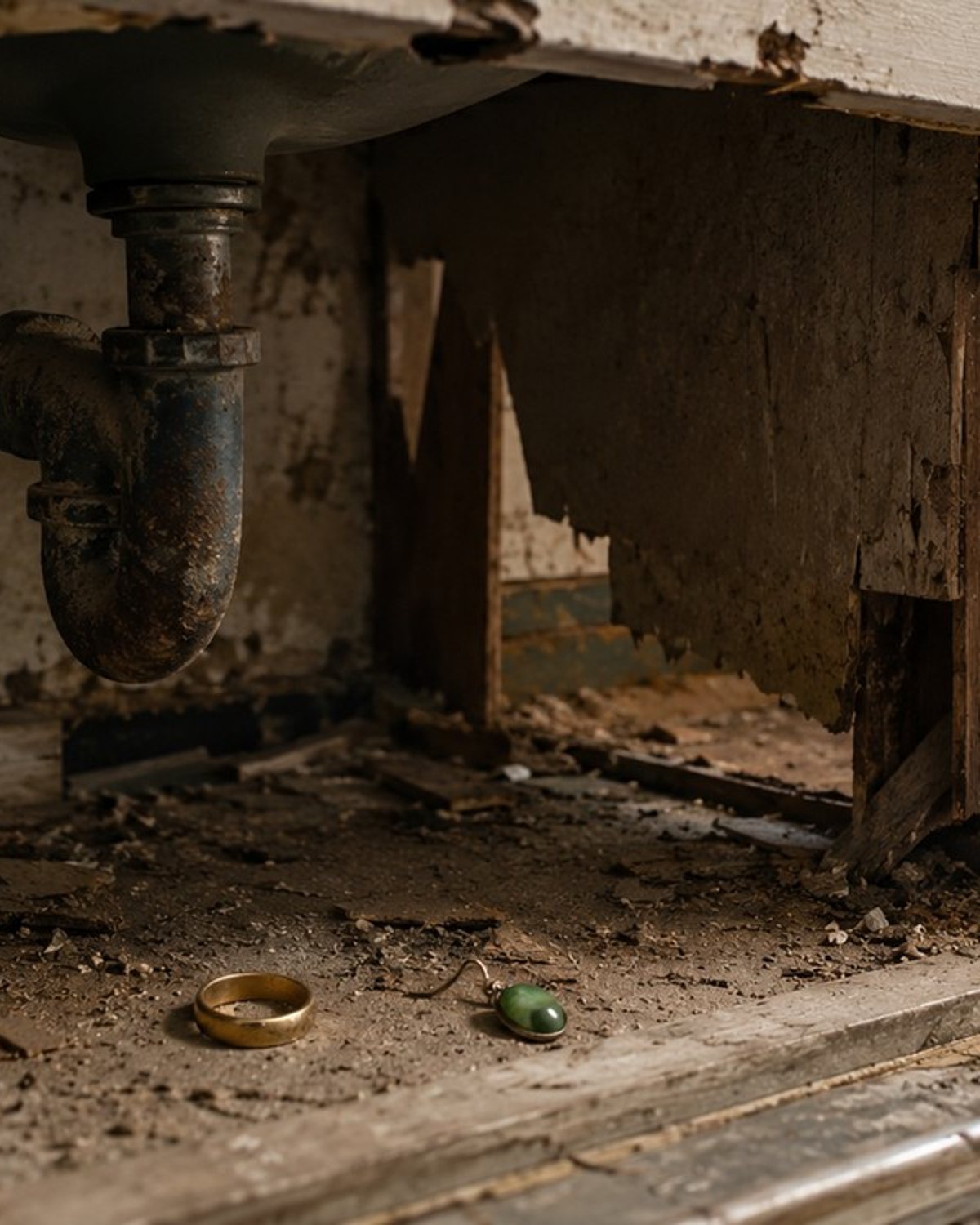
The motel
The meeting point between the two worlds. Room 208 should feel ordinary at first, then increasingly charged by memory.

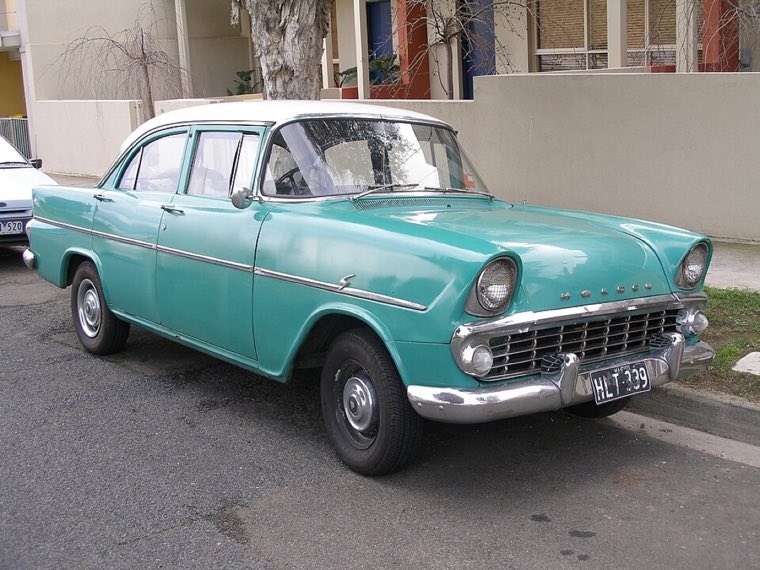
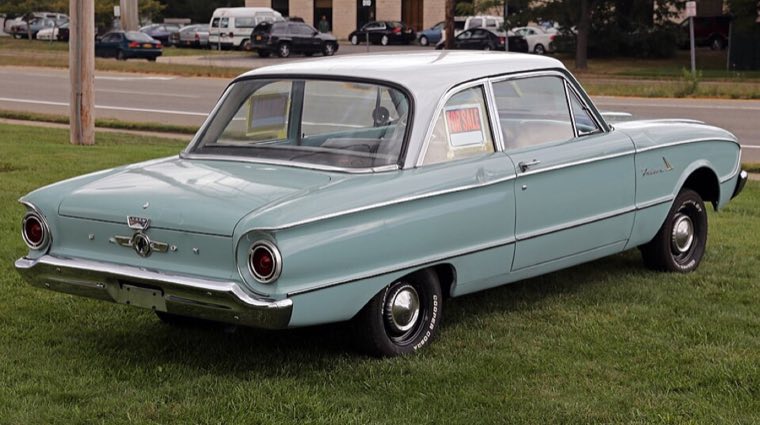

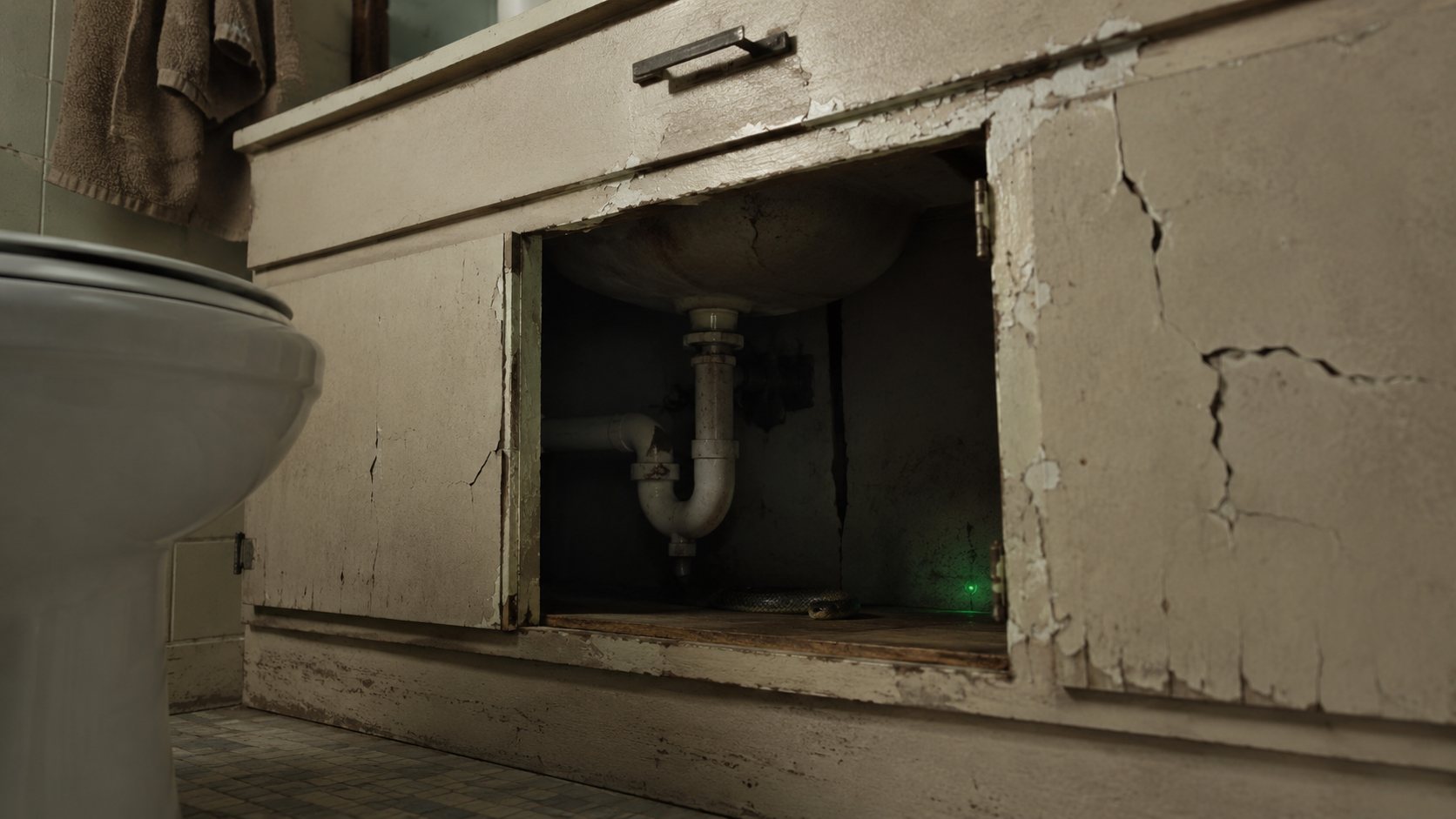
The writer's room
The Writer is firmly placed in the 1960s. His world should feel lonely, masculine, observant and analogue.
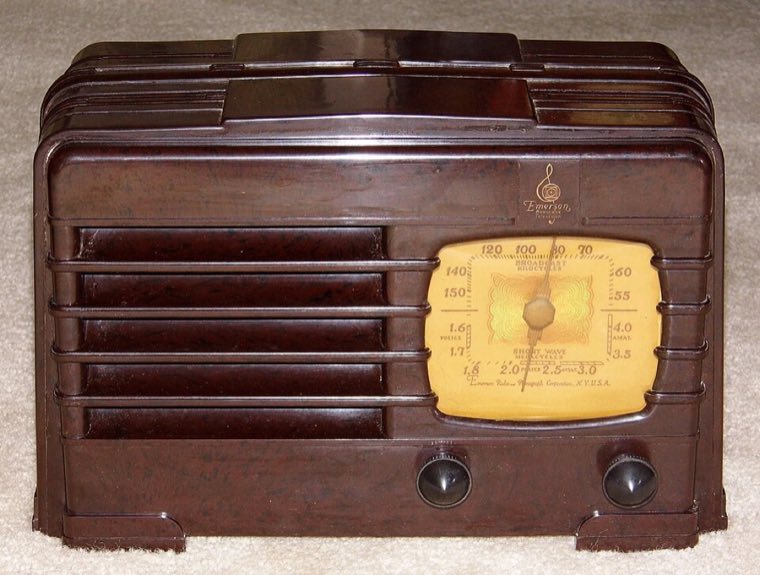
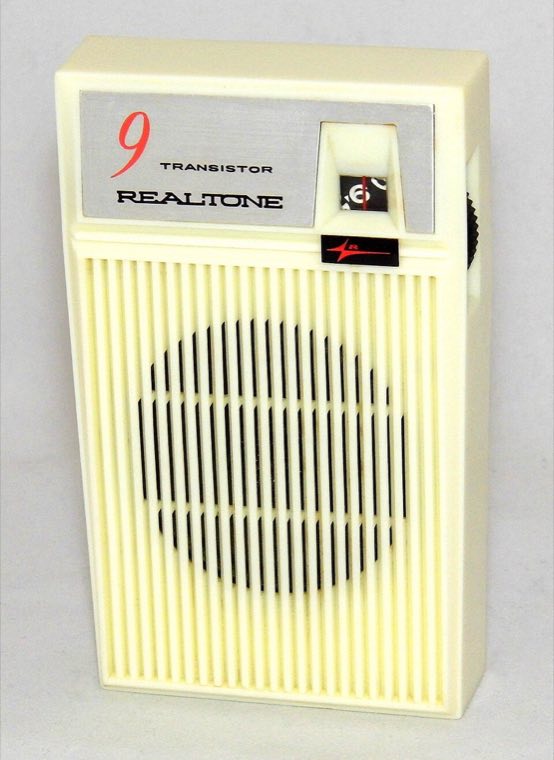
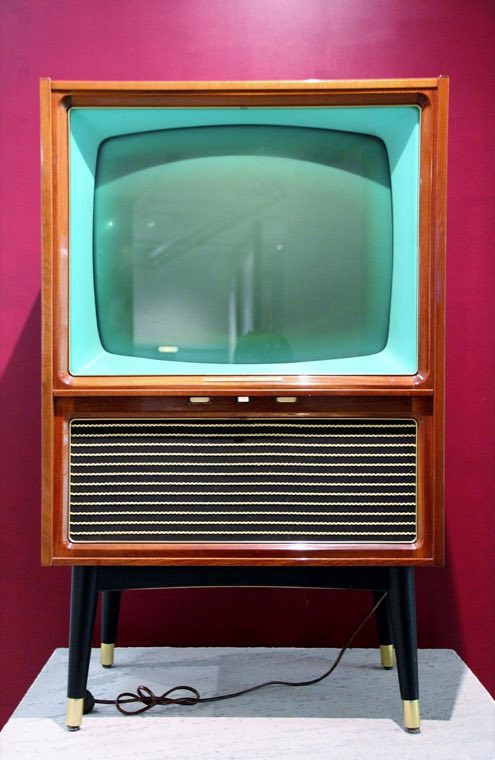
Period references · Brisbane 1960 · State Library of Queensland · Wikimedia Commons
Film references
Antonioni / European modernist
Red Desert
sexual tension, colour psychology, environment as mental disturbance
L'Avventura
absence, emotional uncertainty, the unknowability of another person
The Passenger
road, displacement, identity drift
Lynchian heightened desire
Lost Highway
erotic spell, projection, fatal desire
Mulholland Drive
dream logic, mirrors, desire as illusion
Australian atmosphere
Wake in Fright
outback pressure, masculine collapse, environmental hostility
Picnic at Hanging Rock
repression, mystery, Australian landscape as psychological force
These references are not templates. They define the tonal field: restrained realism, emotional alienation, erotic dread, landscape, silence and unresolved mystery.
Audience & market
The Snake Road is positioned as a distinctive Australian arthouse feature with international festival potential, strong auteur credentials and a female-led psychological story. The film sits between elevated drama, psychological mystery and atmospheric period cinema. It is designed for audiences who respond to emotionally complex, visually distinctive films driven by character, atmosphere and moral ambiguity.
Core audience
Crossover
Market positioning
A contained, female-led Australian period psychological drama with an international auteur sensibility.
It offers a strong central role for a woman in her 40s, a contained production model built around limited key locations, and a clear visual contrast between Julie's pale, restrained world and Chenli's red and jade heightened world.
The involvement of Amir Naderi as writer gives the project significant auteur value and international cultural weight. The Australian adaptation gives the film a local production identity, while the themes of grief, infidelity, desire and unknowability remain universal.
Why this film
The Snake Road should be made because it transforms a deeply human fear into cinema: the fear of discovering too late that someone you loved had a hidden life you can never fully understand. The film begins with a simple but devastating question:
What happens when the person you loved dies before you can ask them the one question that matters?
This is an intimate story, but it has emotional scale. Julie's journey is not driven by revenge or melodrama. It is driven by the need to know, the impossibility of knowing, and the painful dignity of choosing to leave without full answers. The early 1960s setting gives the film a distinctive dramatic force. It removes the easy explanations of the digital age and returns the story to physical evidence: a woman's green glove, a handwritten note, a motel receipt, a missing earring, a wedding ring. In this world, secrets have weight. Desire leaves traces. A room can become an archive of betrayal.
The film also offers a fresh Australian period landscape story. It uses Brisbane, the inland road, the motel and the desert-like interior not as scenery, but as emotional terrain. This is an Australian story with international resonance. Julie is a strong, complex central character: a wife, mother, grieving woman, betrayed woman, and person standing at the edge of becoming someone else. Her final movement is not toward punishment. It is toward release. The film should be made because it is contained but cinematic, intimate but emotionally large, Australian but universal, and capable of leaving audiences with an unresolved final image that continues to echo after the film ends.

Founder of 3rix · Executive Producer
Parsa Haghighi
Parsa Haghighi is the creator of 3rix, the AI-native production infrastructure reimagining how films are made. A technologist, designer and systems architect with more than two decades of experience, he has led initiatives across Atlassian, Telstra, News Corp Australia, the NSW Government, Macquarie, Aon and beyond. His work has been recognised by the Financial Standard Awards and featured internationally, from Times Square to Bloomberg and Yahoo News, across more than one hundred global publications. Through 3rix, he is pioneering a new production model where human creativity stays central while filmmaking becomes intelligent, scalable and limitless.
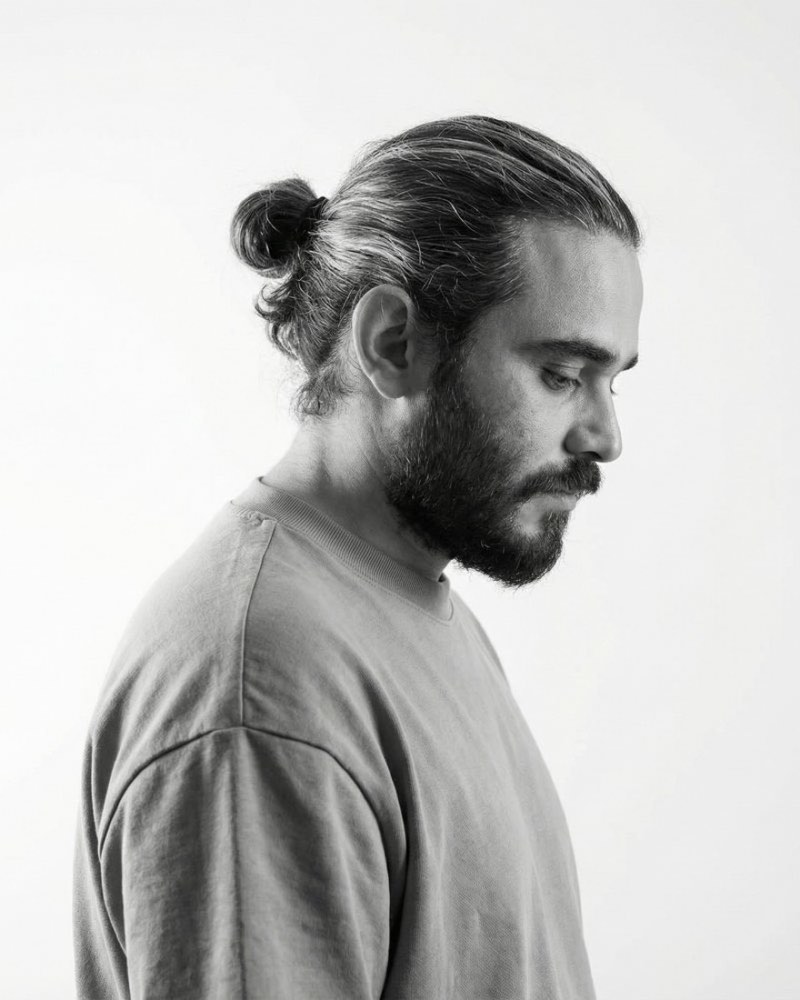
Head of Virtual Production
Mehdi Rad
Mehdi Rad leads the technical execution of the 3rix production pipeline, at the intersection of AI filmmaking, visual direction and production-systems design. His expertise spans AI-assisted cinematic workflows, virtual production, procedural worldbuilding, environment creation, continuity architecture and scalable pipelines, drawing on a background in art direction and experimental AI cinema. His work has been recognised internationally, with Best Editing at the Portugal Indie Film Festival and official selections at Cannes and OMNI. At 3rix he bridges creative vision and technical execution across large-scale AI-generated productions.
Budget & status
Placeholder · in development
Budget
AUD $1.5 million
Format
Feature film
Genre
Psychological road drama / period erotic haunting
Setting
Brisbane & remote inland Australia, early 1960s
Current status
Script adaptation & development
Production base
Australia
- Key locations
- Brisbane home, police / morgue location, inland road, remote motel, motel room, motel bar, country wedding location, Chenli's interior world
- Development focus
- Australian early 1960s adaptation, visual language, character deepening, AI-assisted production methodology, financing package and casting strategy
The film is being developed as an AI-assisted period production with a target budget of AUD $1.5 million. The early 1960s setting creates a strong visual and dramatic identity while also allowing the production to use AI-assisted world-building, background extension, period environments and controlled visual design in a focused way. A traditional production approach to this material, with extensive period locations, vehicles, interiors, crowd elements and landscape work, would likely require a budget above AUD $5 million. The proposed model allows the film to retain cinematic scale and period atmosphere while remaining financially contained.
The production will concentrate live-action performance around a focused central cast and controlled key environments, while using AI-assisted visual generation and enhancement for the wider period world, selected exteriors, atmospheric extensions and design continuity. The next stage of development will focus on completing the Australian early 1960s draft, refining the production design language, developing visual materials, confirming the AI-assisted production workflow, and preparing the project for financing, casting and market presentation.