

Julie — The Snake Road

Australian Feature Film · Director’s Version

The Snake Road

A psychological road drama of grief, desire and the objects that remember what people cannot say.

From Brisbane to a remote motel, a woman follows the trace of her husband’s final night.

01/Genre & positioning — what the film is

Psychological road drama / erotic haunting / Australian desert chamber film

After her husband dies on a remote inland road, a Brisbane woman follows the traces of his final night to a motel room where grief, betrayal and desire still live in the objects he left behind.

02/Logline — the story engine

When Julie discovers that her husband spent his final night with a mysterious woman before dying in a road accident, she travels from Brisbane into the Australian interior and enters the motel room where the betrayal occurred. Searching for a missing earring that may prove the truth, she becomes caught between mourning him, hating him, desiring the answer, and almost stepping onto the same road herself.

03/Short synopsis — the emotional journey

Julie receives a phone call before dawn: her husband Paul has died in a road accident near a remote inland town. In his belongings she finds a green glove, a strange note, and a clue to Room 208 of an isolated motel. There she discovers that Paul may have spent his final night with Chenli, a woman marked by a snake tattoo and surrounded by a heightened, dangerous world of desire. As Julie searches the room for Chenli’s missing earring, the motel becomes a chamber of grief, jealousy, imagination and unresolved love. A lonely Writer staying at the motel becomes her witness and temptation. But where Paul disappeared into desire, Julie stops herself. She leaves before the room can take anything more from her.

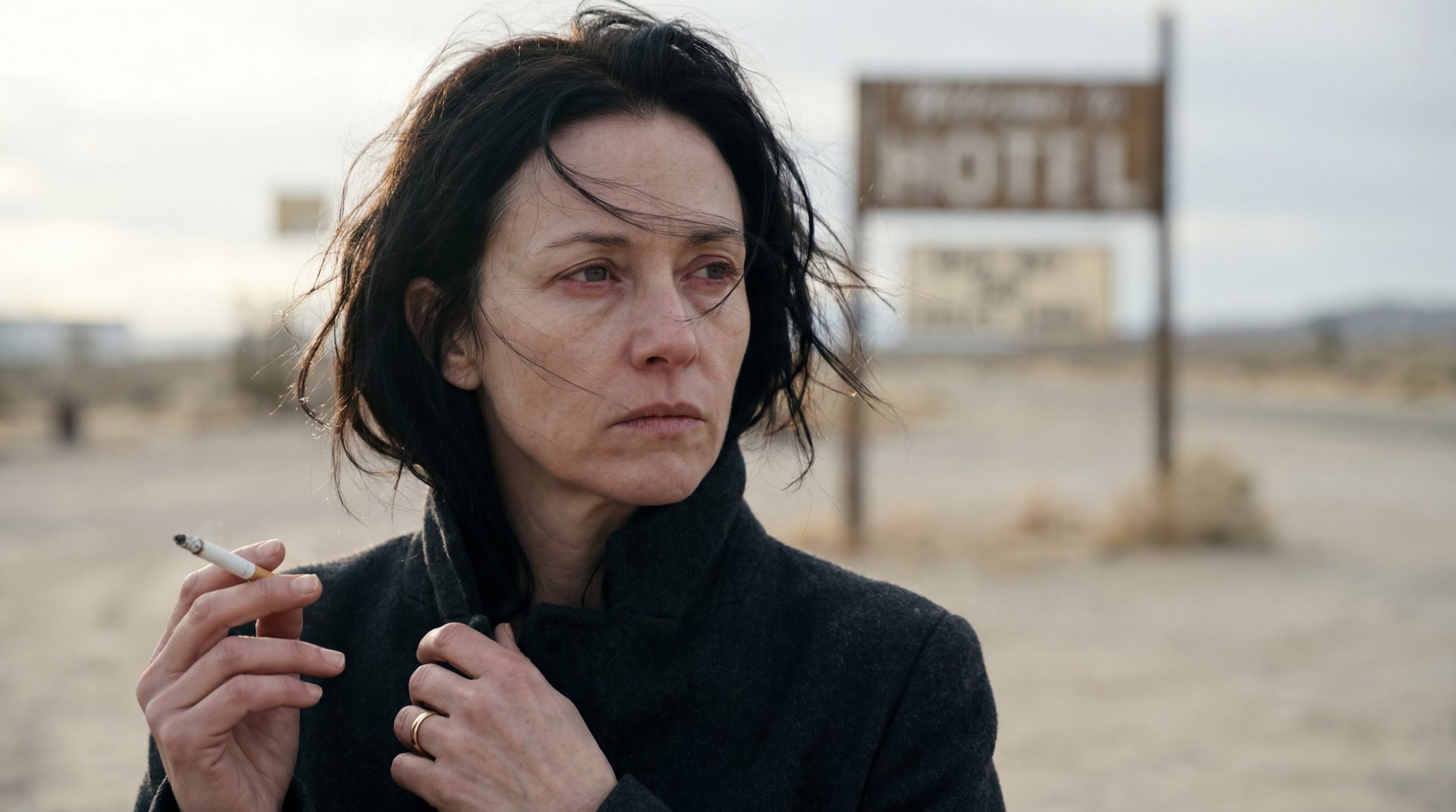
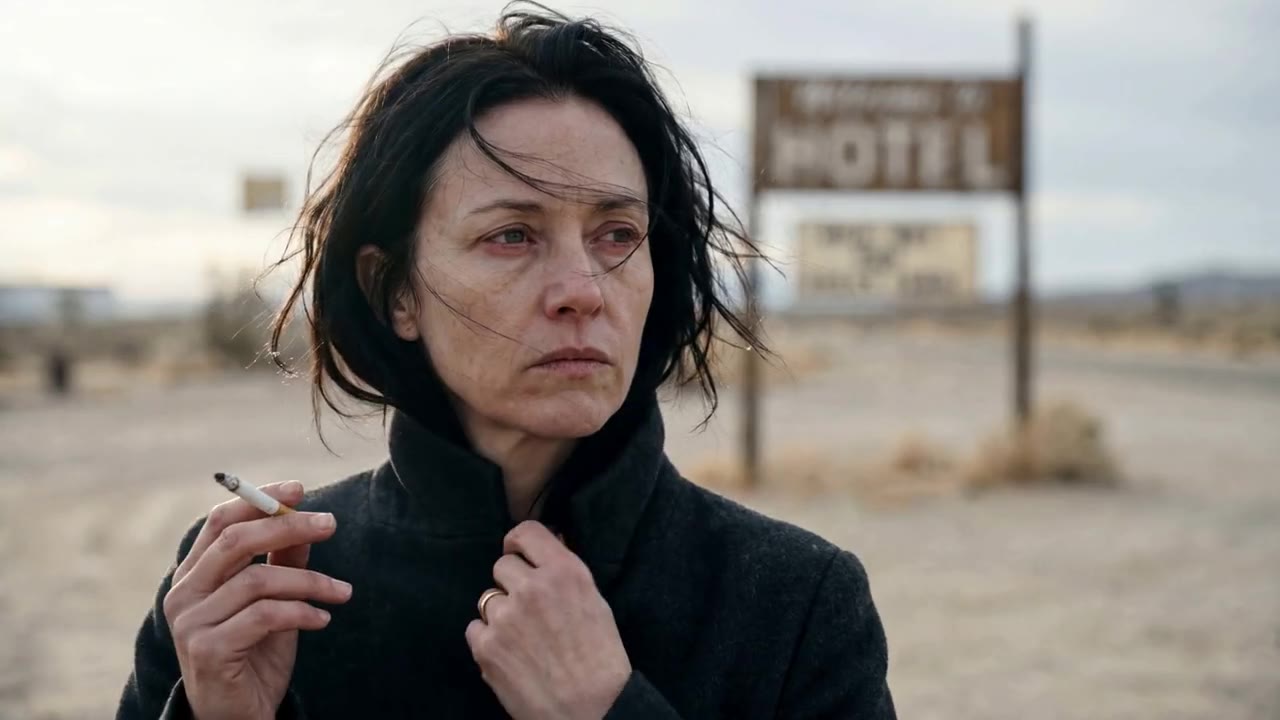
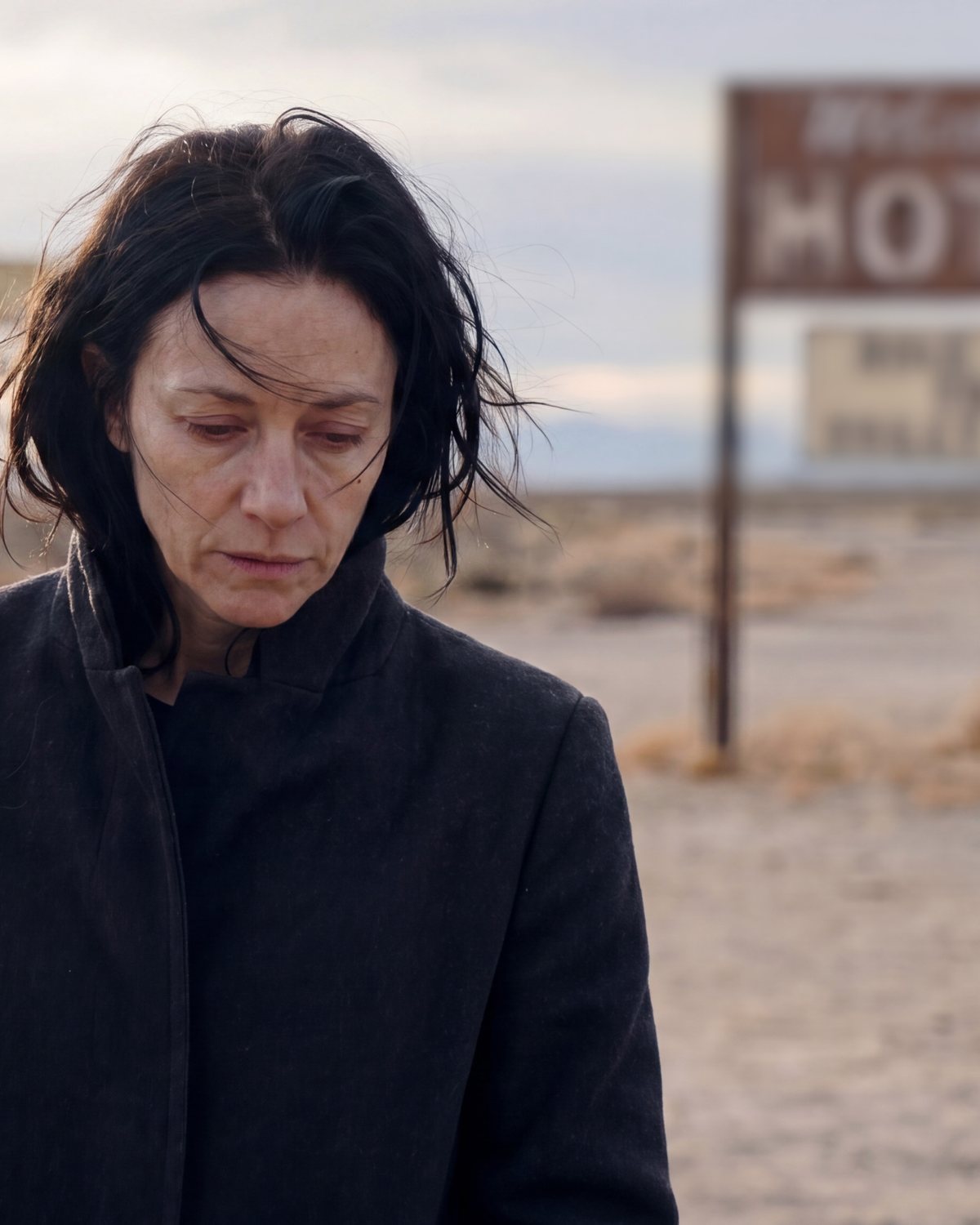
Stills — the look

Tap a still to enlarge · swipe to scroll

04/Development action plan — the Australian draft

What changes, and why.

  • SettingRelocate the story from Las Vegas / Joshua Tree mythology into Brisbane, the inland road, roadhouses, remote motel culture and dry Australian country towns.
  • TimelineCondense Paul and Chenli’s hotel encounter from three days to one night, making the betrayal sharper and more believable.
  • DeathClarify Paul dies in a road accident after leaving Chenli and trying to return to Julie and the children.
  • LogicAdd a moment where Julie almost asks the landlady about Paul and Chenli, but cannot force the truth into speech.
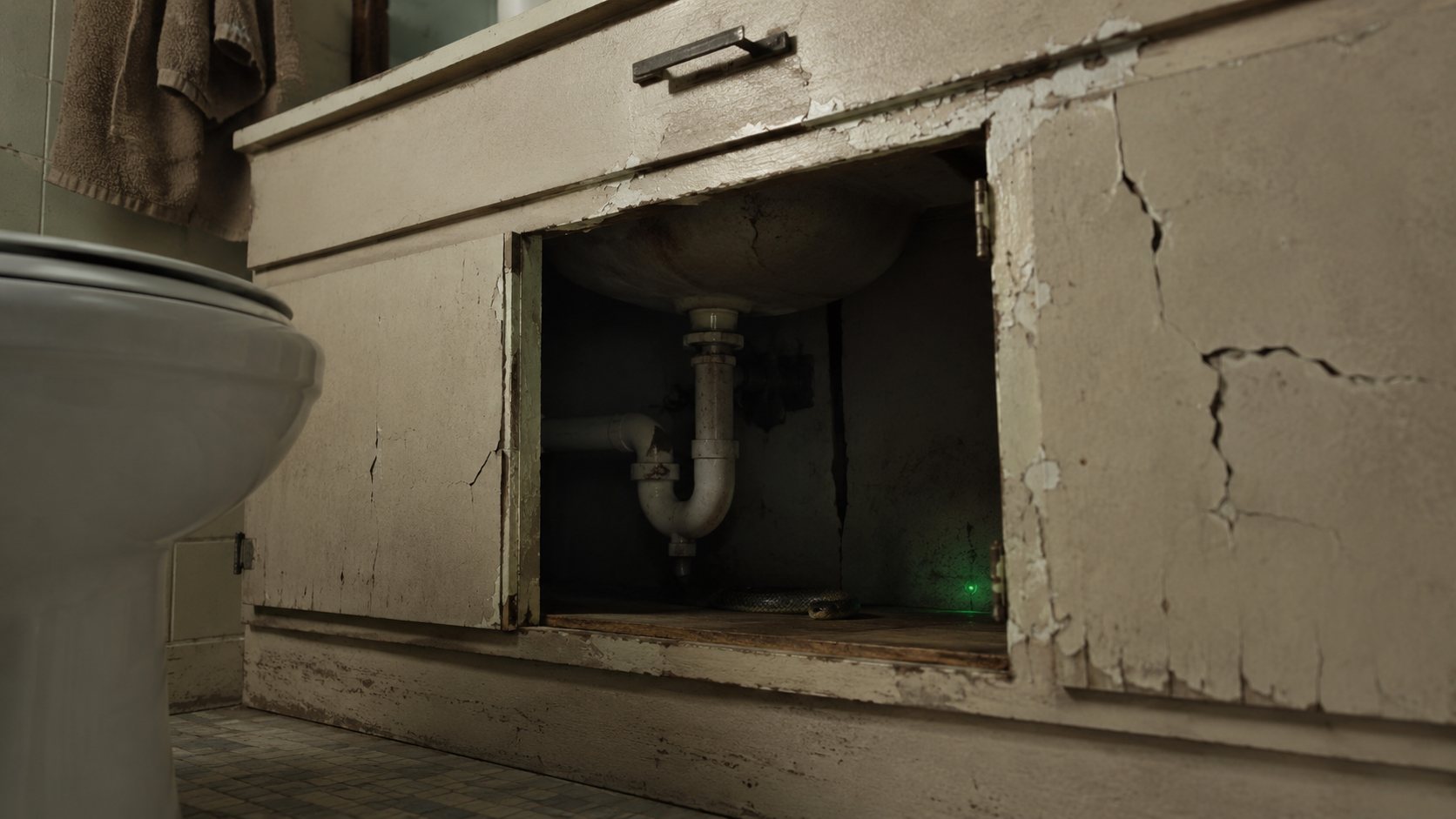
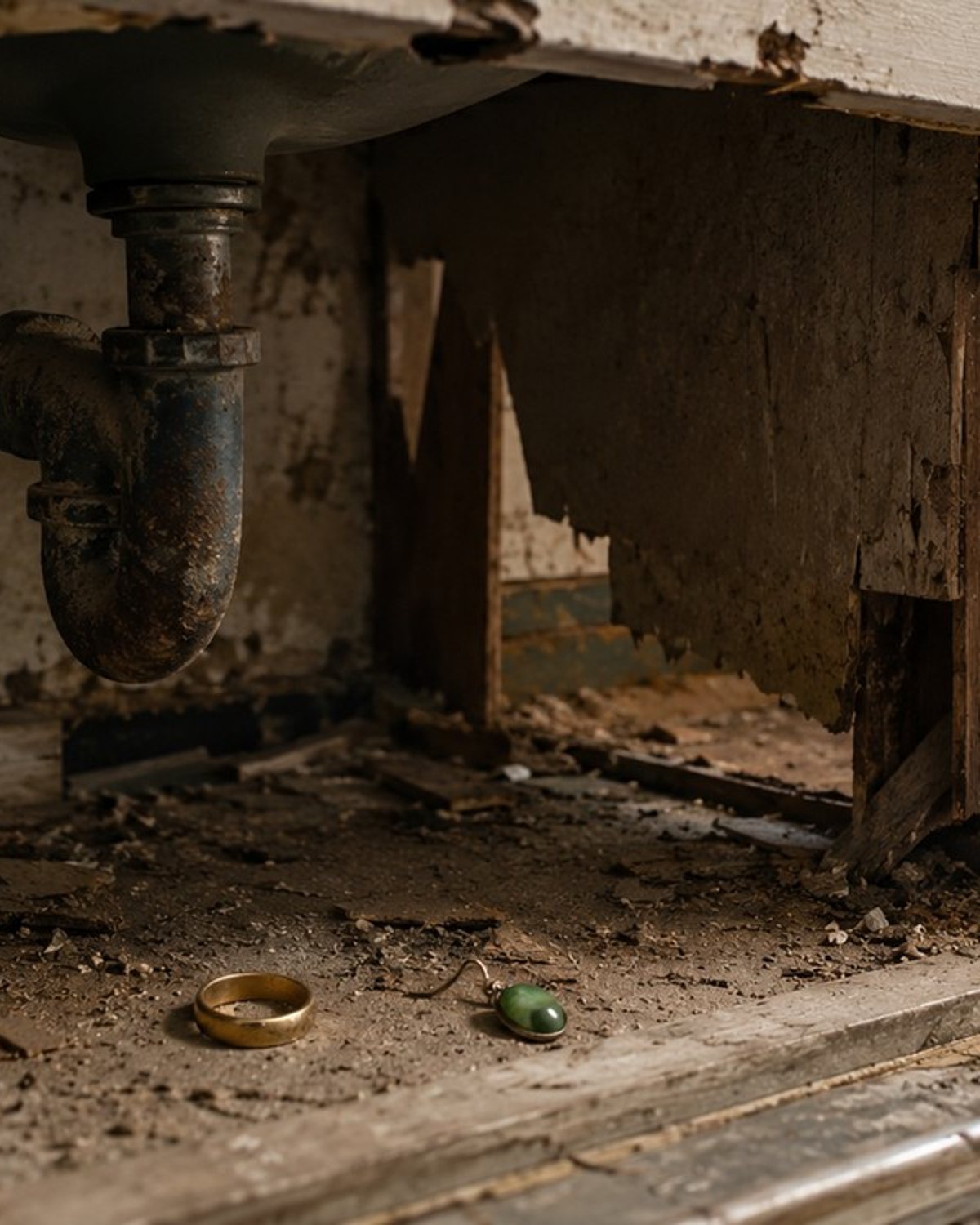
  • EndingMake the earring and wedding ring physically believable: hidden in a recessed, damaged cavity beneath the sink.

05/Character architecture — two worlds, four pressures

Julie + The Writer

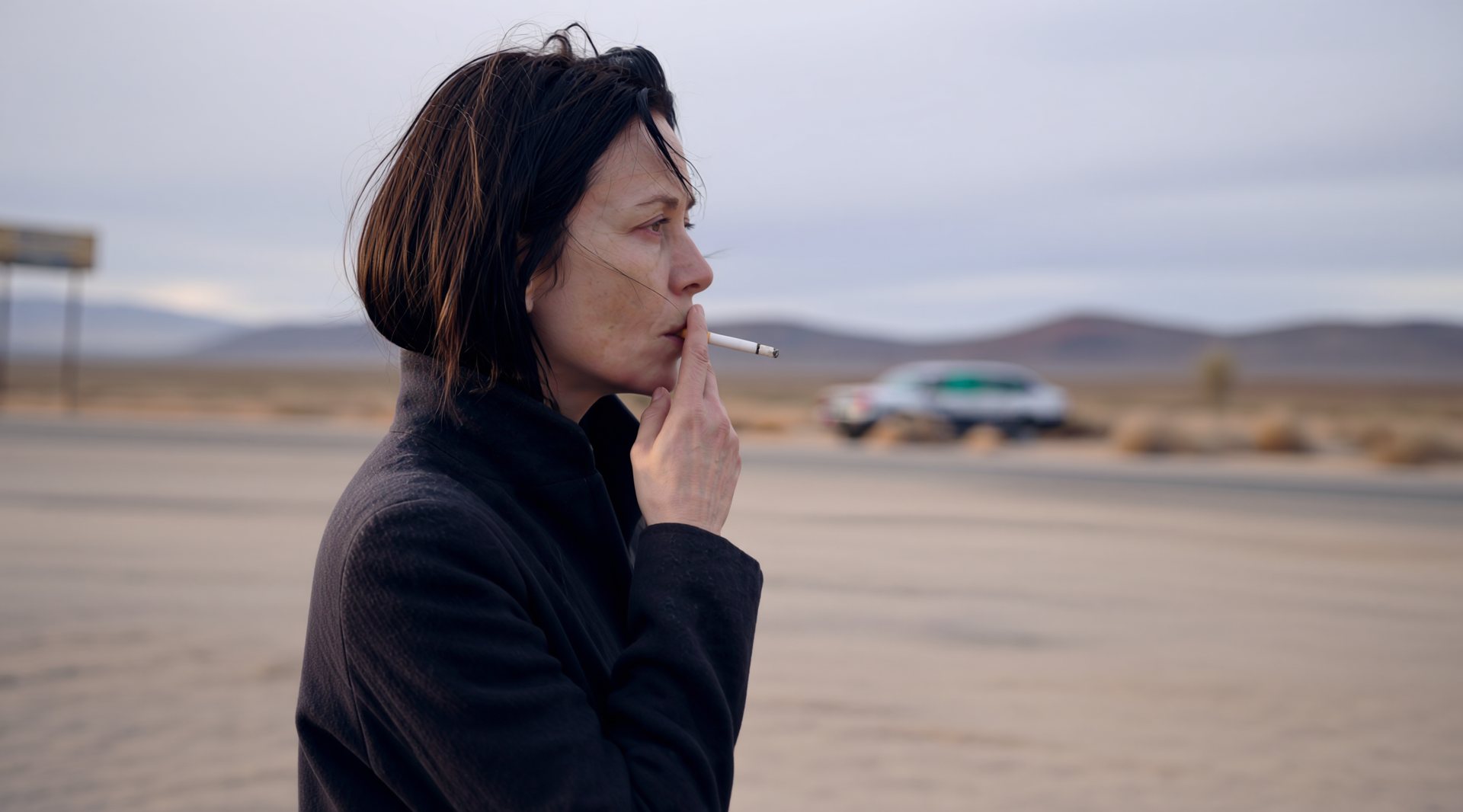
Julie’s present world is grounded, pale and exposed. The Writer is her witness and temptation, but also the man who refuses to turn her grief into another betrayal of herself.

Chenli + Paul

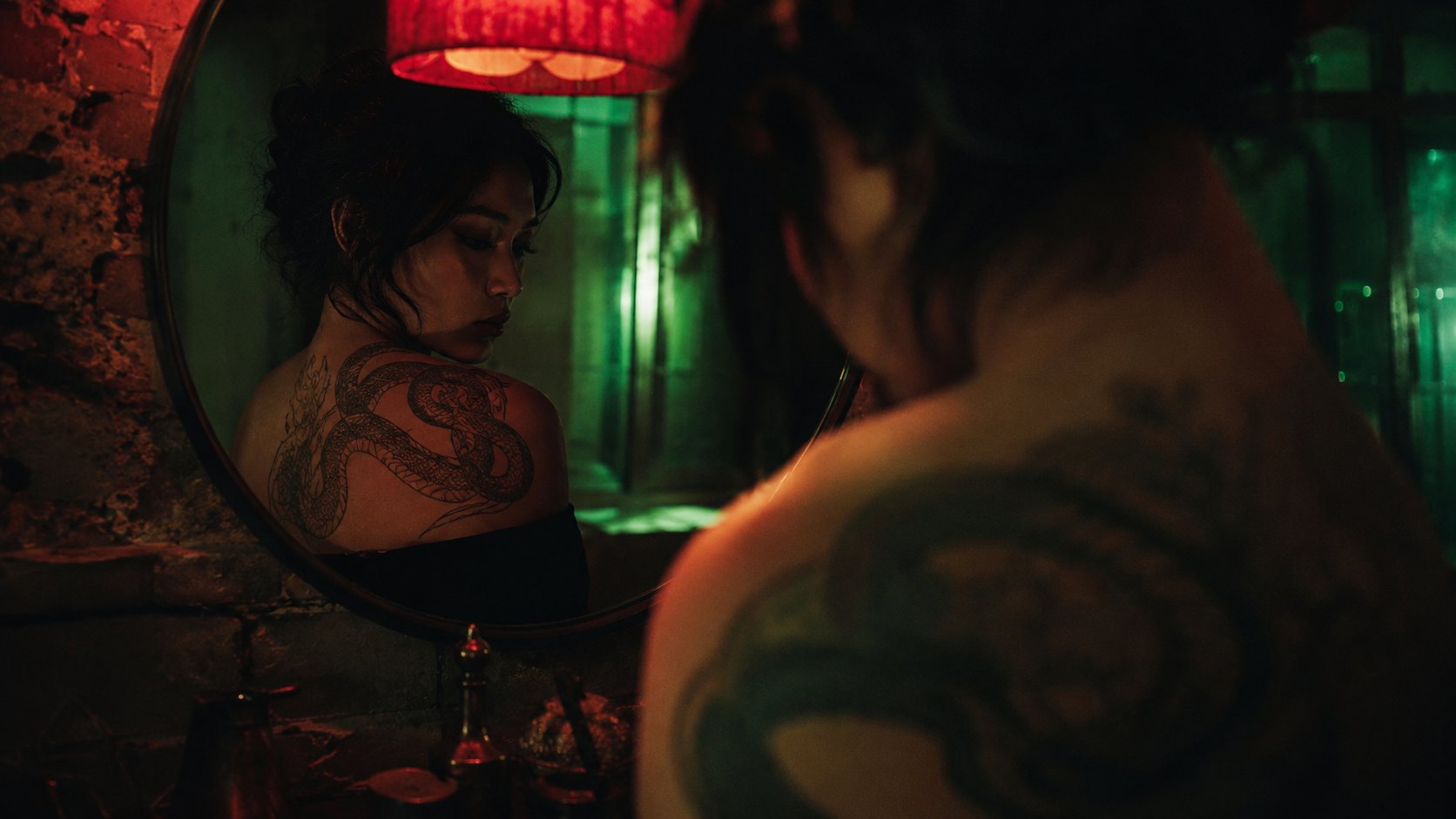
Paul enters Chenli’s red, jade and mirror-filled world and loses his centre. Chenli is not a simple seductress; she is a heightened figure onto whom men project danger and longing.

Symmetry

Paul disappears into desire. Julie reaches the same edge and steps away.

Two Worlds

Two worlds, one road.

Julie's world — pale, dry, exposed

Julie's World

Pale. Dry. Exposed.

Grounded grief, hard daylight, the dry interior.

Chenli's world — red, jade, mirrors

Chenli's World

Red. Jade. Mirrors.

Desire as a spell — the snake tattoo, a visual charge.

06/Palette — two worlds

Two colour worlds, one road.

Julie’s world — palette reference

Julie’s world

Pale · Dry · Exposed · Restrained

Julie’s present-tense world should feel emotionally stripped back: beige motel walls, grey roads, dust, faded green, hard daylight, institutional whites and the dry exposure of the Australian interior.

bone#E8E1D2
dust grey#B4AFA4
faded green#9CA386
pale green#C7D0B8
smoke#6E6E68

World logic

Grounded realism. Long silences. Dust and wind. The motel as a practical place that becomes emotionally haunted.

Chenli’s world — palette reference

Chenli’s world

Red · Jade · Mirrors · Heat

Chenli’s section should feel warmer, more dangerous and slightly heightened. Reds, jade greens, gold, black, tobacco yellow, low light and mirrors create a world where Paul loses orientation.

deep red#7A1F1B
blood red#A8201A
jade#2E6E5E
amber#C8862B
black#0B0B0C

World logic

Heightened realism. Desire as spell. The snake tattoo is not decoration; it is a visual charge around projection, danger and surrender.

07/Motif architecture — the Snake Road

River → Road → Tattoo → Room → Ring

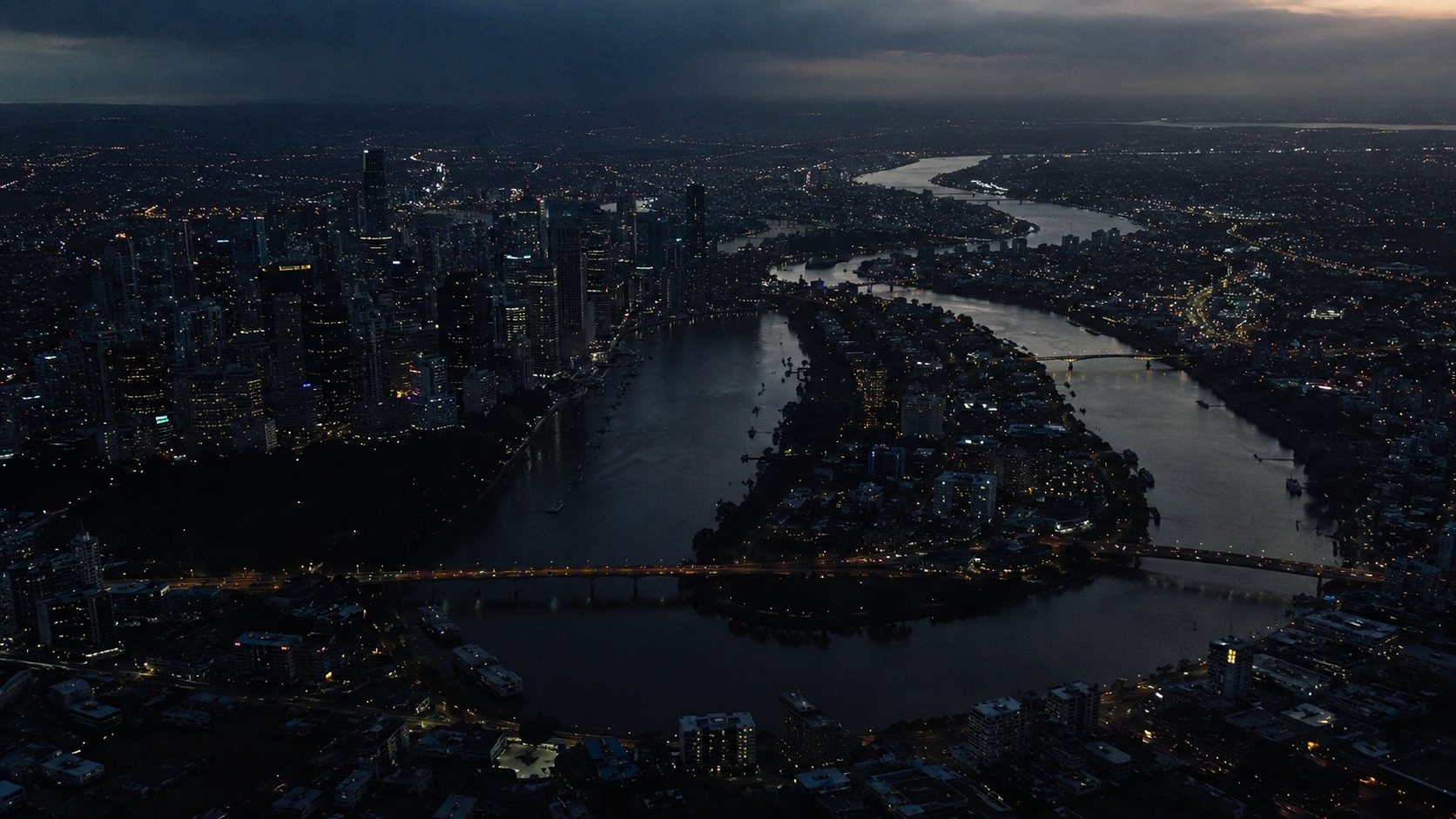
  • 01RiverThe Brisbane River opens the film as the first snake image.
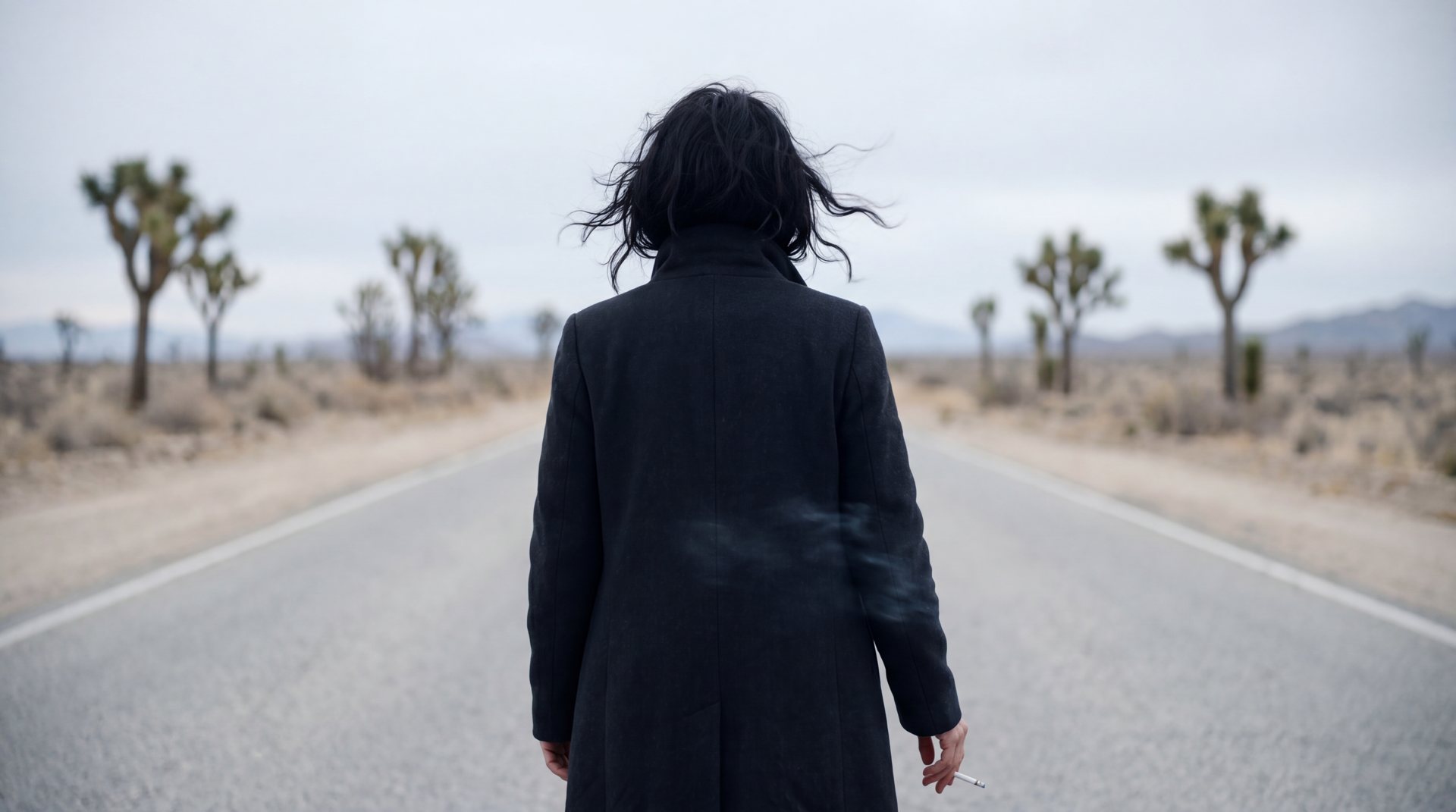
  • 02RoadThe inland road carries Paul and Julie toward consequence.
  • 03TattooChenli’s snake tattoo becomes desire, projection and danger.
  • 04RoomRoom 208 holds memory as physical evidence.
  • 05RingJulie’s ring lands beside Chenli’s earring in the hidden dark.

The snake is not one literal image. It is the shape of the story: through the city, through the road, through desire, through the room, and into the place Julie chooses not to reach anymore.

08/Tone & themes — what the film is really about

Grief after betrayal

Julie mourns a man who can no longer answer for what he did.

Objects as witnesses

The glove, note, earring, ring and room remember what people hide.

Desire as a road

Paul follows it to death. Julie reaches the edge and steps away.

Landscape as psychology

The Australian interior strips Julie’s world back to its exposed emotional truth.

09/Writer & director

Armin Miladi

Director & Producer · Daricheh Cinema

Armin Miladi

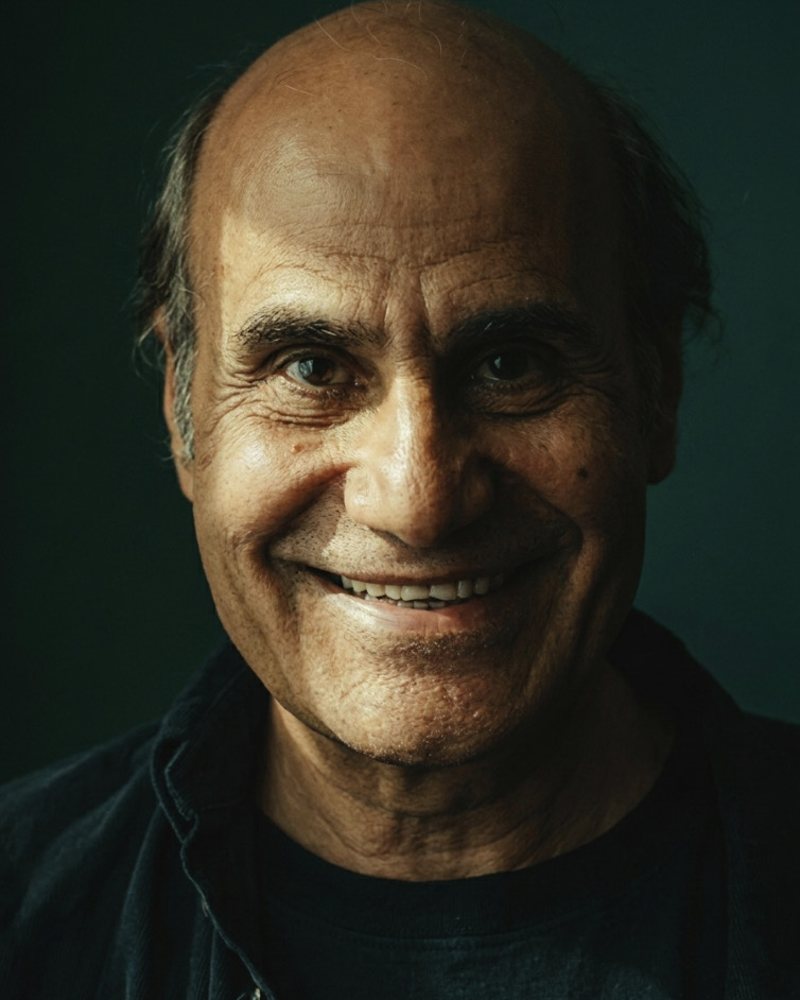
Armin Miladi is an Australian writer, director, producer, distributor and festival director. He is the founder of Daricheh Cinema and the co-founder/director of major international film festivals in Australia and New York, with a long-standing focus on bringing bold, culturally resonant cinema to audiences in Australia, North America and beyond. His work across festivals, distribution and production has built a bridge between international and Australian cinema, with a particular interest in auteur filmmaking, emotionally driven stories, and films that move between cultures without losing their specificity. As director of The Snake Road, Miladi’s approach is to preserve the elemental force of Amir Naderi’s script while rebuilding the film through Australian geography, atmosphere and character behaviour. The director’s version will emphasize restrained performance, object-based storytelling, the psychological force of landscape, and a clear contrast between Julie’s grounded grief and Chenli’s heightened world of desire.
Australian interiorquiet tensionobjects as memoryfemale griefcontrolled desirevisual restraintheightened undertow
Amir Naderi

Writer & Story Architect

Amir Naderi

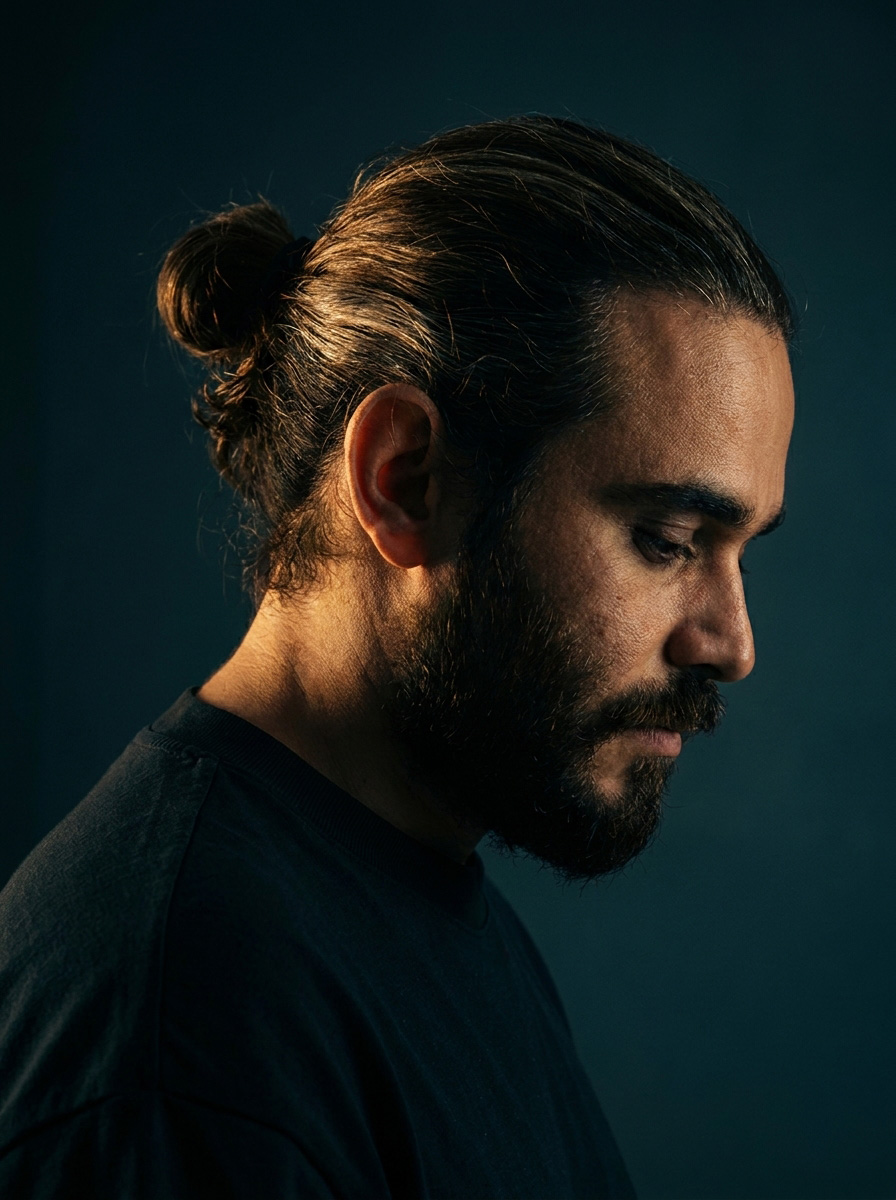
Amir Naderi is one of the defining voices of modern cinema, internationally celebrated and honoured through major retrospectives at MoMA and Lincoln Center and the Jaeger-LeCoultre Glory to the Filmmaker Award at the Venice Film Festival. His body of work is marked by physical endurance, displacement, solitude, children and outsiders, and a raw engagement with location and everyday struggle. His landmark films, including The Runner, Water, Wind, Dust and Harmonica, established him on the international stage. Since the 1990s, Naderi has worked across the United States, Japan and Italy, making films in different languages and cultures while retaining a deeply personal cinematic language. For The Snake Road, Naderi’s screenplay provides the elemental foundation: grief, desire, objects, road, room, and the inner violence of not knowing.

physical endurancesolitudedisplacementobjectslandscapeobsessionoutsiders

Production & 3rix

Mehdi Rad

Head of Virtual Production · Türkiye

Mehdi Rad

Leads the technical execution of the 3rix pipeline at the intersection of AI filmmaking, visual direction and production systems — AI-assisted cinematic workflows, virtual production, procedural worldbuilding, environment creation, continuity architecture and scalable visual pipelines. Internationally recognised at AI and independent film festivals.

Parsa Haghighi

Executive Producer · Australia

Parsa Haghighi

Creator of 3rix, an AI-native cinematic production infrastructure. Two decades across technology, design and systems (Atlassian, Telstra, News Corp, NSW Government, Macquarie). Founder of SEEB Studio, SEED.Photo, 3rix.io and Clearview; recognised through Financial Standard Awards and featured in Times Square, Bloomberg and Yahoo News.

10/Visual references — tonal compass

Brisbane River
Brisbane River
Remote motel
Remote motel
Julie + Writer
Julie + Writer
Chenli’s world
Chenli’s world
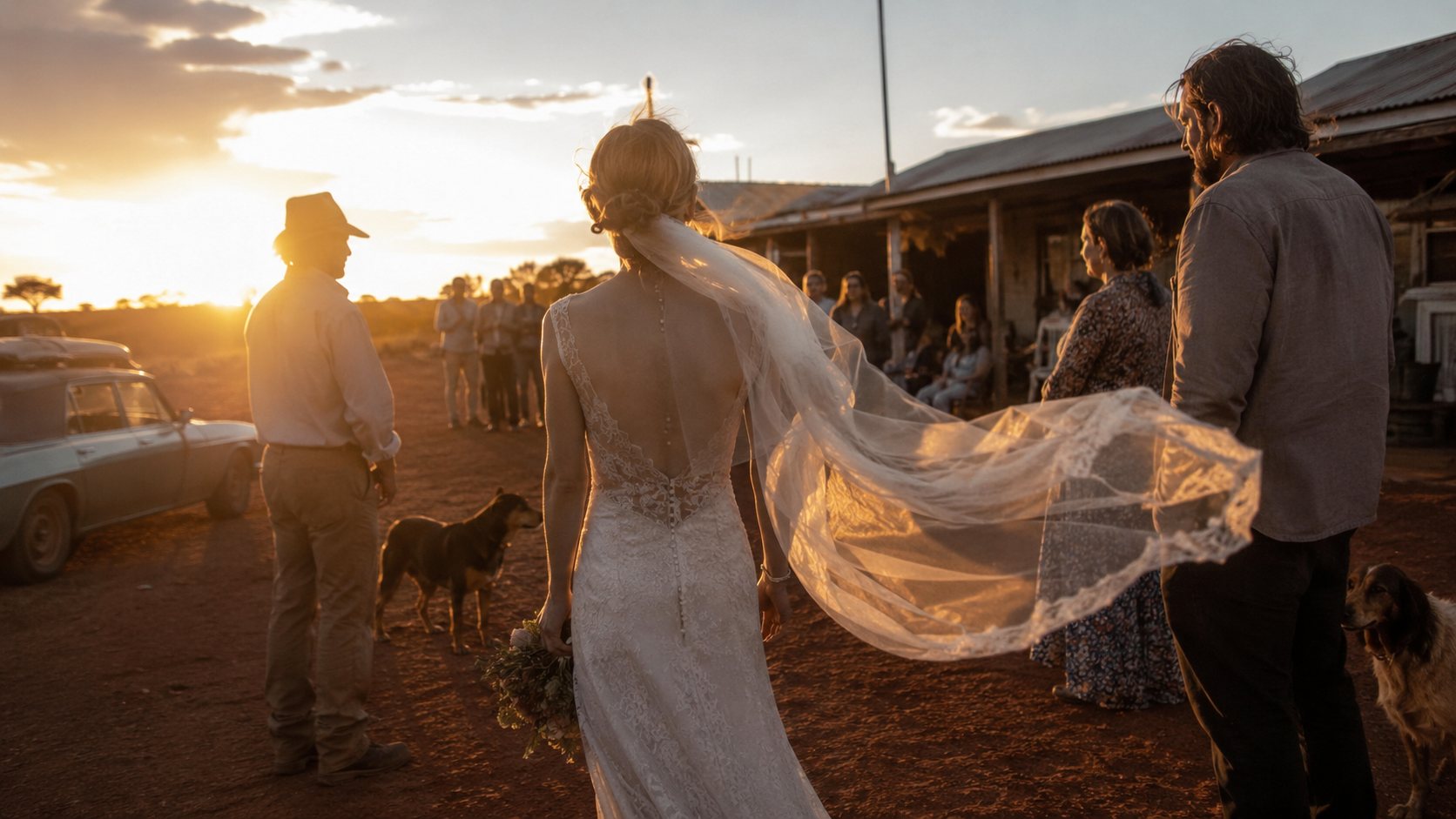
Australian wedding
Australian wedding
Ring + earring
Ring + earring

Film references

Paris, Texas
Mulholland Drive
Blue Velvet
Wake in Fright
Picnic at Hanging Rock
The Passenger
Mystery Road

11/The Australian version — a contained road film with a mythic undertow

The story becomes more producible and more precise by concentrating the drama around the road, the motel, Room 208, and four characters pulled by different forms of desire and loss. The Australian interior offers a naturally cinematic world: exposed, silent, dry, and psychologically bare. The film should feel intimate rather than large, but never small. Its scale comes from landscape, emotional tension, and the mystery of what objects keep after people leave.

Contained locations
Strong visual identity
Female-led psychological drama

A room keeps what people cannot carry.

The Snake Road — a psychological Australian road drama about grief, desire, and the final objects left behind by one irreversible night.

Two assets. One ticket.

Armin Miladi

Director & Producer · Daricheh Cinema

Contact